
How Can I Help My Hair Regrow? Start Here
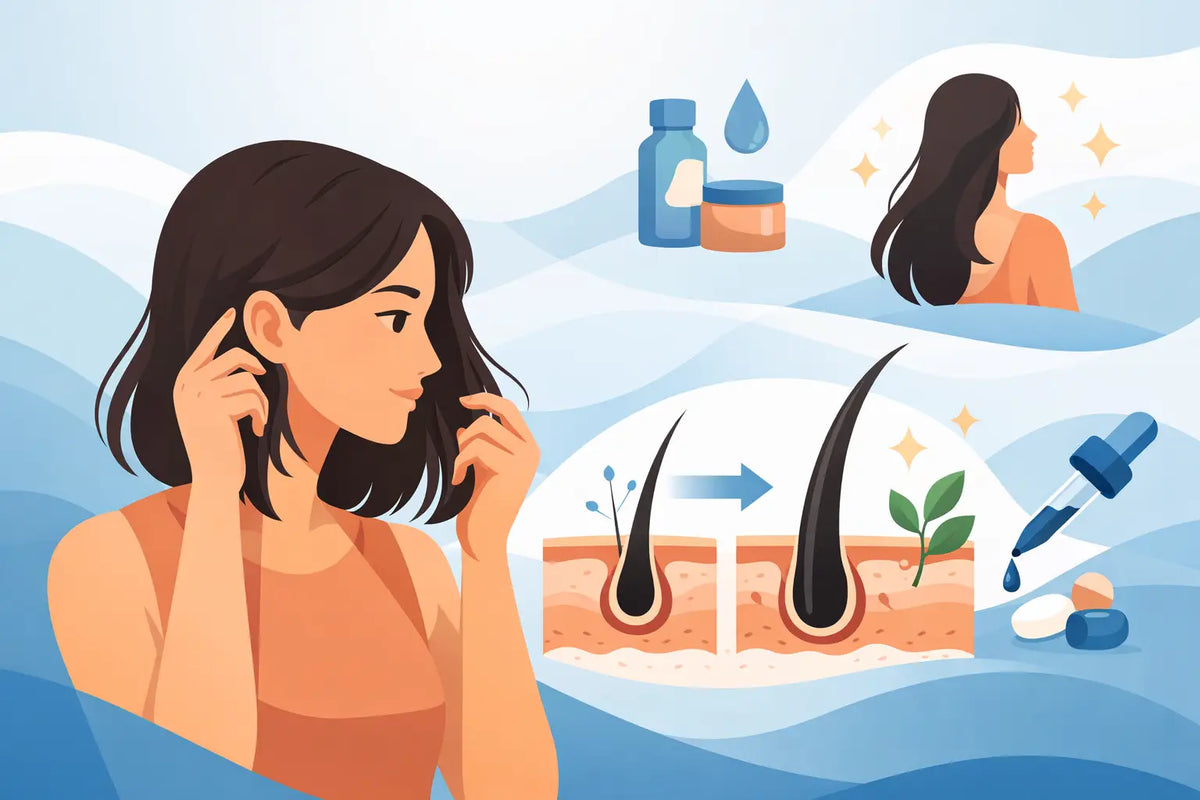
Hair on the shower floor, a widening part, or a receding hairline can make every mirror check feel bigger than it should. If you are asking, “how can i help my hair regrow?”, start with this: hair recovery is rarely about one miracle product or one perfect wash day. It is about giving your scalp, strands and body consistent support while getting clear on what may be causing the change.
You do not need to turn your bathroom into a clinic or overhaul your whole life overnight. A focused routine, realistic expectations and early action can put you back in control of your hair goals.
How can I help my hair regrow? Focus on the cause first
Hair grows in cycles. It sheds, rests and grows again, so some daily shedding is completely normal. The concern is when shedding becomes noticeably heavier, thinning continues for months, your ponytail feels smaller, or bare patches start to appear.
Common triggers include stress, illness, rapid weight changes, hormonal shifts, family history, tight hairstyles, harsh chemical treatments and nutritional shortfalls. Some forms of thinning are temporary and may settle once the trigger passes. Others, including pattern hair loss, tend to progress without ongoing care.
That distinction matters. A natural routine can help support healthier-looking hair and scalp conditions, but it cannot diagnose an underlying medical issue. If your hair loss is sudden, patchy, painful, accompanied by scalp scaling, or follows a major health change, book in with your GP or a dermatologist. A blood test or proper assessment may reveal a cause that deserves specific treatment.
Build a scalp routine you can actually stick to
Your scalp is where every strand begins. When it is irritated, congested or neglected, hair can look flatter and feel less resilient. The goal is not to scrub aggressively. It is to keep the scalp clean, comfortable and supported.
Wash often enough for your hair type and lifestyle. If your roots become oily quickly, regular cleansing may help remove sweat, product build-up and excess oil. If your hair is dry, curly or textured, washing less often with a gentle formula may suit you better. The right schedule is the one that leaves your scalp fresh without leaving your lengths brittle.
Use the pads of your fingers to massage your scalp for a few minutes while washing or applying a scalp treatment. Gentle massage feels good, encourages you to pay attention to your scalp and can become an easy part of your routine. Avoid scratching with your nails, very hot water and heavy product layering that leaves residue behind.
Natural oils and botanical scalp treatments can be a useful addition when chosen carefully. Always patch test first, particularly if you have sensitive skin, eczema or a history of reactions. Essential oils should never be applied undiluted, and more product is not automatically better. Consistency beats intensity every time.
Feed hair growth from the inside
Hair is made mostly from protein, which means extremely restrictive eating, skipped meals and crash dieting can show up in your hair. Your body prioritises essential functions first, so hair growth may slow when it is not getting enough energy or key nutrients.
Aim for regular meals with protein sources such as eggs, fish, lean meat, legumes, tofu, yoghurt or nuts, depending on how you eat. Include colourful fruit and veg, wholegrains and healthy fats as part of a varied diet. Iron, zinc, vitamin D, B vitamins and protein all play a role in normal hair health, but supplements are not a shortcut for a poor diet or an untreated deficiency.
If you suspect low iron, low vitamin D or another deficiency, speak with your GP before loading up on supplements. Taking high doses without a reason can be unhelpful and, in some cases, unsafe. A targeted plan is far more useful than guessing.
Hydration is worth keeping simple too. Drinking enough water will not suddenly create new hair follicles, but dehydration can leave hair looking dull and dry. Keep a water bottle nearby, especially during hot Australian summers, and make steady hydration part of your day.
Protect the hair you already have
Regrowth takes time. While you are working on your scalp and overall wellbeing, reduce the breakage that can make thinning look worse.
Be cautious with tight buns, slick ponytails, extensions and braids that pull at the roots day after day. A style can look sharp and still be too stressful for your hairline. Rotate your part, loosen the tension and give your hair regular rest days.
Heat styling, bleaching and frequent chemical processing can also leave lengths fragile. You do not have to give up every blow-dry or colour appointment, but turn down the heat, use heat protection and space out chemical services where possible. Detangle patiently, beginning at the ends, and avoid rough towel rubbing after a wash.
For many people, a trim will not speed up growth from the scalp, but it can remove split, frayed ends so the hair looks fuller and healthier while it grows. That is a worthwhile win when confidence has taken a knock.
Make stress support part of your hair plan
Stress-related shedding is real, and it can be frustrating because it often appears weeks or months after a difficult period. You cannot think your way into instant regrowth, but lowering the daily pressure on your system supports your overall health and may help you feel more in control.
Choose habits that are realistic, not performative. A walk after work, a regular sleep time, a gym session, a quiet coffee outside, or ten minutes without your mobile can all count. Poor sleep, high stress and inconsistent eating often travel together, so small improvements in one area can make the rest easier.
Choose products with a clear purpose
Hair care becomes expensive and confusing when every product claims to do everything. Keep your routine focused: a cleanser suited to your scalp, a conditioner that protects the lengths, and one targeted scalp product you can use consistently.
Look for products that fit your preferences and routine rather than chasing dramatic claims. Natural formulas can be a great choice for people who want a simpler, more mindful approach to thinning, but natural does not mean reaction-free or guaranteed. Give a new routine time, take note of irritation, and stop using anything that makes your scalp sting, burn or flare up.
RegrowX is built for people who want a straightforward natural hair wellness routine without the fuss of complicated clinical pathways. The best product is still the one you use as directed, regularly, alongside good scalp care and healthy daily habits.
Track progress without obsessing over it
Hair growth is slow. Most people need at least a few months of consistent care before they can judge whether a routine is helping. Checking your hairline ten times a day will only make the process feel longer.
Take photos once a month in the same lighting, with the same part and angle. Notice practical changes too: less hair in the drain, reduced breakage, a calmer scalp, or hair that feels stronger when you style it. These signs can matter before visible density changes.
If you see no improvement after several months, or your thinning is progressing, seek professional advice. Natural care and medical guidance do not have to be competing paths. The smart move is choosing the support that matches what your hair and scalp are telling you.
Start with one change you can repeat this week: gentler scalp care, protein at breakfast, fewer tight styles, or a dedicated treatment night. Small actions done consistently give your hair the best chance to look and feel like yours again.
Ready to start your regrowth routine?Shop the Complete System →