
Natural Hair Loss Remedies That Fit Real Life
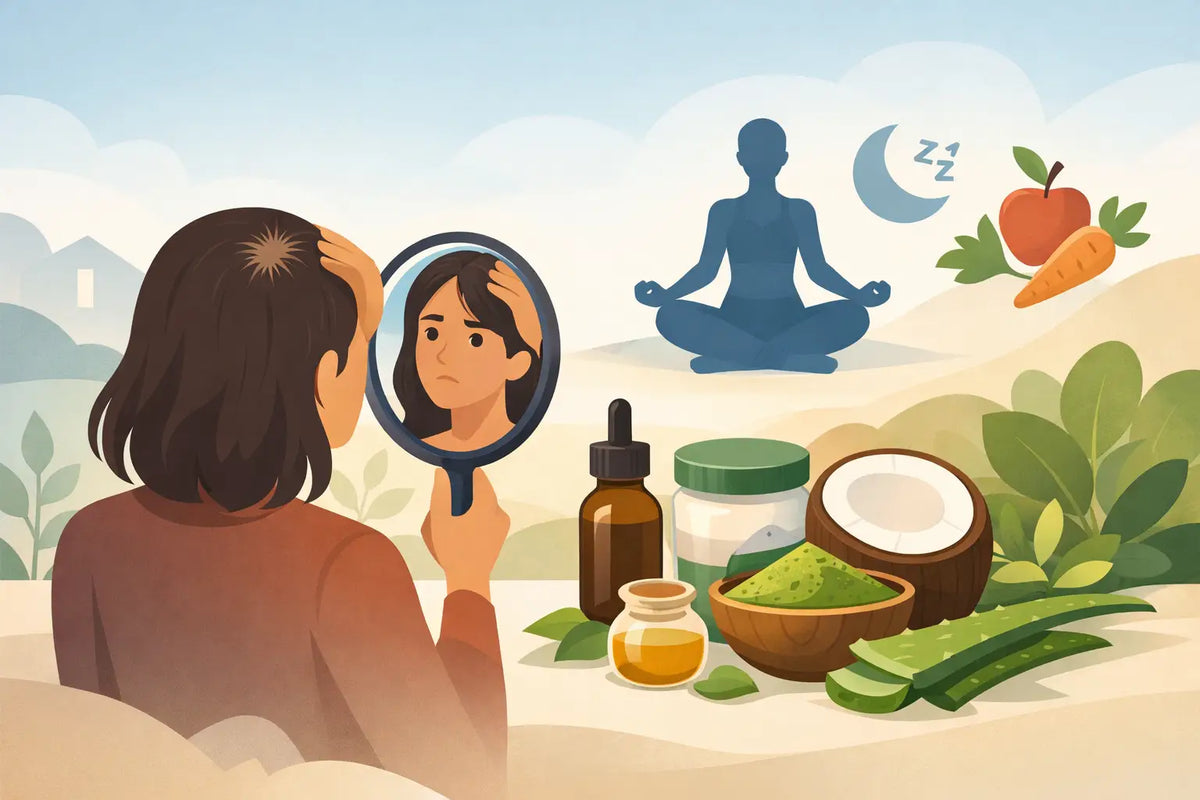
A widening part, extra hair in the shower drain or a receding hairline can make getting ready feel far more stressful than it should. Natural hair loss remedies offer a practical place to start: a consistent routine that treats your scalp and strands with more care, without turning your bathroom into a clinic.
The key is keeping expectations honest. Natural care can support the look and feel of fuller, healthier hair, reduce avoidable breakage and help create better conditions for growth. It cannot promise to reverse every type of hair loss. Your best results come from choosing a few sensible habits, using them consistently and paying attention to what your hair is telling you.
Start by working out what has changed
Hair shedding is normal. Most people lose hairs every day as part of the natural growth cycle. The concern is a noticeable change - more shedding than usual, gradual thinning through the crown, a widening part, patchy loss or a hairline that is moving back.
That change can have many causes. Stress, illness, rapid weight changes, restrictive eating, tight hairstyles, heat styling, hormonal changes, some medicines and hereditary pattern hair loss can all play a part. This is why a one-size-fits-all remedy rarely lives up to the hype.
If hair loss is sudden, patchy, painful, itchy, scaly or accompanied by other changes in your health, speak with a GP or dermatologist promptly. The same applies if shedding continues for several months. Natural routines are useful support, but they should not delay care for an underlying condition.
Natural hair loss remedies worth making routine
The most useful natural approach is usually not one miracle ingredient. It is a combination of scalp care, gentle handling, nourishing food and realistic consistency. Give a routine at least three months before judging whether it suits you. Hair grows slowly, and new growth needs time to become visible.
Give your scalp proper attention
Healthy-looking hair starts at the scalp. Product build-up, excess oil, flaking and irritation can leave the scalp uncomfortable and make fine hair appear flatter. Wash often enough for your hair and scalp type rather than following a rigid rule. For some people that is every second day; for others, it is once or twice a week.
Use your fingertips, not your nails, to massage shampoo gently across the scalp. A short massage can feel good and may help you apply products evenly, but aggressive rubbing is not better. If your scalp feels sore, tight or inflamed, simplify your routine and avoid piling on oils, scrubs and strongly fragranced products.
Scalp massage with a light, suitable oil can be a calming ritual for some people. Rosemary essential oil is often discussed in natural hair care, but it must always be diluted in a carrier oil and patch-tested first. Essential oils can cause irritation or allergic reactions, especially on sensitive skin. Never apply undiluted essential oil directly to your scalp.
Reduce breakage so your hair keeps its length
Hair loss and hair breakage are different problems, but both can make your hair look thinner. If your ponytail is getting smaller because lengths are snapping, gentler styling can make a visible difference.
Keep hot tools at a moderate temperature, use heat protection and avoid running straighteners over the same section repeatedly. Swap tight ponytails, braids and slick styles for looser options where possible. Choose a wide-tooth comb or flexible brush, start detangling at the ends and work upwards. When hair is wet and fragile, handle it with patience rather than force.
Also pay attention to your towel routine. Rubbing wet hair roughly can create frizz and breakage. Gently squeeze out water with a soft towel or cotton T-shirt instead. It is a small switch, but small switches are what make a routine easy to maintain.
Feed your follicles, not just your feed
The internet loves a hair supplement, but your hair needs enough overall nutrition before any single ingredient can do much. Protein, iron, zinc, vitamin D, essential fatty acids and a range of vitamins all contribute to normal hair structure and growth.
Build meals around protein sources you enjoy, such as eggs, fish, lean meat, legumes, tofu, yoghurt or nuts. Add colourful fruit and vegetables, wholegrains and healthy fats. If you follow a plant-based diet, have heavy periods, are cutting calories or suspect a deficiency, a GP can help assess whether blood tests or targeted supplementation are appropriate.
Avoid taking high-dose supplements just because they are marketed for hair. More is not always better. Excess amounts of some nutrients can cause side effects and, in some cases, may contribute to shedding. A targeted choice based on your needs is smarter than a crowded shelf of capsules.
Be selective with natural oils and treatments
Natural does not automatically mean gentle, effective or right for your scalp. Castor oil, coconut oil, peppermint oil and rosemary oil are all popular online, yet they do different things and results vary from person to person.
Coconut oil can help reduce protein loss from the hair shaft for some people, which may be useful if your lengths are dry or prone to breakage. Heavier oils may make fine hair look greasy or cause build-up, particularly if they are hard to wash out. Peppermint and rosemary oils can feel stimulating, but irritation is a real risk when they are used too strongly or too often.
Keep it simple. Patch-test a new product on a small area first. Introduce one treatment at a time. Stop using it if you notice burning, redness, flakes or increased itch. A comfortable scalp is a better goal than a tingling sensation.
The habits that can quietly worsen thinning
You do not need a perfect lifestyle to care for your hair, but a few everyday habits are worth reviewing. Crash diets can push more hairs into the shedding phase. Chronic stress can affect the hair cycle. Smoking can compromise circulation, while poor sleep makes it harder to manage stress and maintain balanced eating.
Try not to panic over every hair you see in the brush. Panic often leads to constant product switching, over-washing, harsh treatments or restrictive diets - all of which can make things harder. Pick a sensible routine, take a clear photo of your part or hairline once a month in the same light, and look for trends rather than day-to-day fluctuations.
Colouring, bleaching and chemical straightening are not automatically off limits. It depends on your hair’s condition and how frequently you do them. Space chemical services out, use conditioning care between appointments and let your stylist know if you are experiencing unusual breakage or shedding.
Build a routine you will actually keep
The best hair routine is not the longest one. It is the one that fits your week. Start with a gentle scalp cleanse, a conditioner suited to your hair type and a leave-in or treatment designed to support stronger-looking lengths. Add a scalp-focused natural treatment only if your skin tolerates it well.
Consistency beats intensity. Applying a treatment once, then forgetting it in a cupboard for six weeks, will not tell you whether it works. Set a realistic schedule, such as a scalp massage two evenings a week or a wash-day treatment once weekly. Keep notes on shedding, scalp comfort and styling ease rather than relying on memory.
If you want a simpler path, RegrowX brings natural hair wellness options into one straightforward routine. Choose products thoughtfully, follow the directions and give your hair enough time to respond.
When natural care needs extra support
Natural hair loss remedies can be part of a confidence-building routine, especially when your main concern is breakage, scalp comfort or early thinning. However, hereditary pattern hair loss often progresses without targeted treatment, and conditions such as alopecia areata or scalp infections need professional assessment.
A GP or dermatologist can help identify the likely cause and discuss your options without judgement. Seeking advice does not mean you have failed at natural care. It means you are giving yourself the clearest possible path forward.
Start where you are: treat your scalp kindly, protect your lengths, nourish yourself properly and stick with a routine that feels good enough to repeat. Your hair deserves care that supports confidence, not more pressure.
Ready to start your regrowth routine?Shop the Complete System →