
Postpartum Shedding Guide for Fuller-Looking Hair
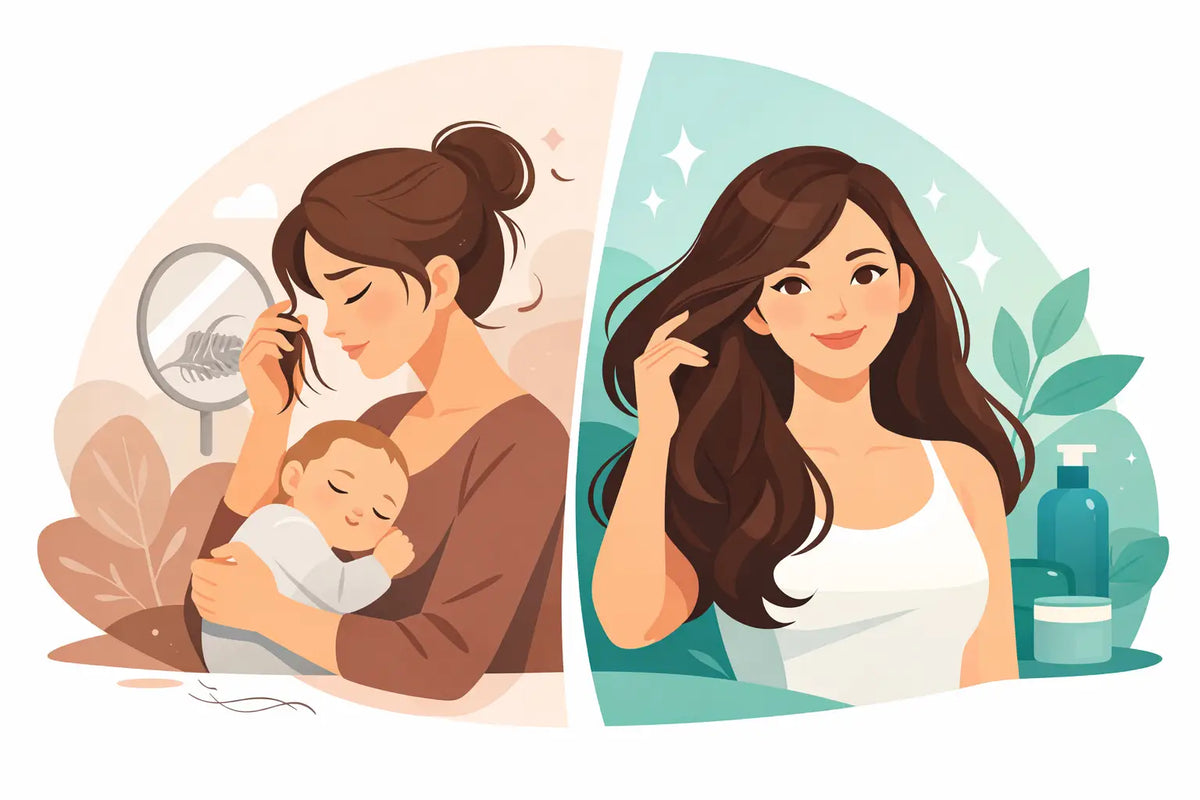
A shower drain full of hair can feel like a cruel surprise when you are already running on broken sleep, cold coffees and a never-ending pile of washing. If your ponytail suddenly feels thinner after having a baby, this postpartum shedding guide is here to put the experience in perspective and give you a simple, supportive routine to follow.
Postpartum shedding can be confronting, but it is a common change many new mums notice in the months after birth. The goal is not to panic, hide your hair away or buy every product on the shelf. It is to treat your scalp and strands with care, reduce unnecessary breakage and give yourself room to adjust while your body settles into a new rhythm.
Why postpartum shedding can feel so dramatic
During pregnancy, many people notice their hair looking thicker, shinier or more voluminous. Hair naturally moves through growing, resting and shedding phases, and pregnancy-related hormonal changes can mean fewer hairs are released during that time. After birth, the pattern can shift again, and those retained hairs may shed closer together.
That is why it may seem as though your hair is coming out all at once. You might spot more strands on your brush, pillowcase, clothes and bathroom floor. A wider-looking part or less volume around the temples can make the change feel especially personal, even when you are seeing a temporary shift in your hair’s usual cycle.
Every experience is different. Some mums notice only a little extra shedding, while others feel there is a clear change in fullness. Stress, disrupted sleep, changes to your routine, frequent heat styling and tight hairstyles can also make hair look or feel more fragile. You have not failed at self-care because your hair has changed. Your body has been doing a huge job.
A postpartum shedding guide that keeps care simple
When life is busy, an elaborate hair routine is not realistic. The best approach is a few consistent habits that feel manageable on your most hectic days, not a bathroom cabinet full of half-used products.
Wash your scalp, not just your hair
A clean, comfortable scalp is a solid starting point. Wash often enough for your hair type, using your fingertips to gently massage your scalp rather than scratching with your nails. If your roots become oily quickly, stretching washes too far can leave your hair looking flatter and make shed strands seem more noticeable when you finally shampoo.
Use lukewarm water where possible. Very hot showers can feel brilliant after a long day, but they may leave both scalp and lengths feeling dry. Follow shampoo with conditioner through the mid-lengths and ends, then take a moment to detangle gently before rinsing.
Be kind when your hair is wet
Wet hair is more vulnerable to stretching and snapping, especially when you are trying to get ready in five minutes. Instead of rubbing it hard with a towel, press out moisture with a soft towel or cotton T-shirt. Start detangling from the ends and work upwards with a wide-tooth comb or a gentle brush.
If your hair is long, do not pull it into a tight topknot straight after washing. Let it dry a little first, and choose a looser style when you can. This small change can help reduce tension around the hairline, where new mums often become most aware of thinning.
Ease up on heat and high-tension styles
You do not have to give up your favourite blow-dry or sleek ponytail forever. But during a period of noticeable shedding, reduce the things that add extra strain. Turn down the heat setting, use a heat protectant if you style, and give tight buns, braids and extensions a break where possible.
For low-effort days, a loose braid, claw clip or soft fabric scrunchie can keep hair out of your face without pulling hard at the roots. It is not about perfect hair rules. It is about giving your strands fewer reasons to break while they are feeling less full.
Feed yourself with the same care you give everyone else
New motherhood can make regular meals feel optional, but your hair routine does not begin and end in the shower. Aim for satisfying meals with a mix of protein, colourful fruit and veg, wholegrains and healthy fats. Keep easy options nearby for the days when you are trapped under a sleeping baby, such as yoghurt, eggs, nuts, fruit or leftovers you can reheat quickly.
Avoid treating a supplement as a shortcut or adding several at once without guidance. If you are breastfeeding, pregnant again, taking medication or simply unsure what suits you, speak with a qualified health professional before making changes. A simple, well-rounded approach is usually easier to maintain than an extreme plan.
What natural hair care can and cannot do
Natural hair wellness products can be a reassuring part of a self-care routine, particularly when they help your scalp feel fresh and your lengths feel softer, smoother and easier to manage. Oils, scalp serums and nourishing treatments may also make a regular massage ritual feel like a small reset in a day that belongs to everyone else.
What they cannot do is guarantee that postpartum shedding will stop overnight. Be wary of anything that promises instant transformation or tries to make you feel desperate about a normal change. The better standard is simple: choose products you enjoy using, introduce one new product at a time and pay attention to how your scalp and hair feel.
A few minutes of gentle scalp massage while applying a lightweight treatment can be a calming habit. Keep pressure soft, especially if your scalp feels tender, and do not overdo oils or heavy products if they leave your roots greasy or weighed down. Fuller-looking hair often comes down to practical styling too: a clean scalp, lightweight conditioning and avoiding products that flatten the roots.
Ways to make thinning less obvious right now
You deserve options that help you feel more like yourself while you wait for your hair routine to settle. A different parting can make a surprising difference. If you always part your hair in the same place, shifting it slightly may lift the roots and soften the appearance of a wider line.
Choose a haircut that works with your current density rather than fighting it. For some people, a blunt cut creates the appearance of fullness. For others, soft layers around the face offer movement without removing too much weight. A trusted hairdresser can help you decide what will suit your texture, lifestyle and how much time you genuinely have for styling.
Dry shampoo or a root-lifting styling product may help on days when you want extra volume, but use them as styling aids rather than a replacement for scalp cleansing. If you are wearing your hair up because you feel self-conscious, keep the style relaxed. Constant tension can make an already stressful situation feel worse.
When to check in with a health professional
Postpartum hair changes are often part of the adjustment after birth, but you do not have to dismiss concerns that are troubling you. Consider booking an appointment with your GP or a qualified health professional if shedding feels unusually intense, continues longer than you expected, comes with scalp discomfort, or you are feeling unwell or concerned about other changes in your body.
Support is also worthwhile if hair loss is adding to low mood, anxiety or a sense that you are not coping. There is no prize for pushing through alone. A good conversation can help you feel heard and give you a clearer next step.
Give your routine time to work for you
The hard part of postpartum shedding is that it asks for patience at a time when patience is already in short supply. Take a photo of your part every few weeks if you want a more balanced view of change, rather than judging your hair after every wash. Daily checking can make normal shed strands feel far bigger than they are.
Keep your care routine gentle, keep your expectations realistic and choose small actions that make you feel cared for. Whether that is a softer brush, a more flattering cut or a few quiet minutes for your scalp, your hair deserves kindness - and so do you.
Ready to start your regrowth routine?Shop the Complete System →