
What Is a Natural Hair Growth Remedy for Thinning?
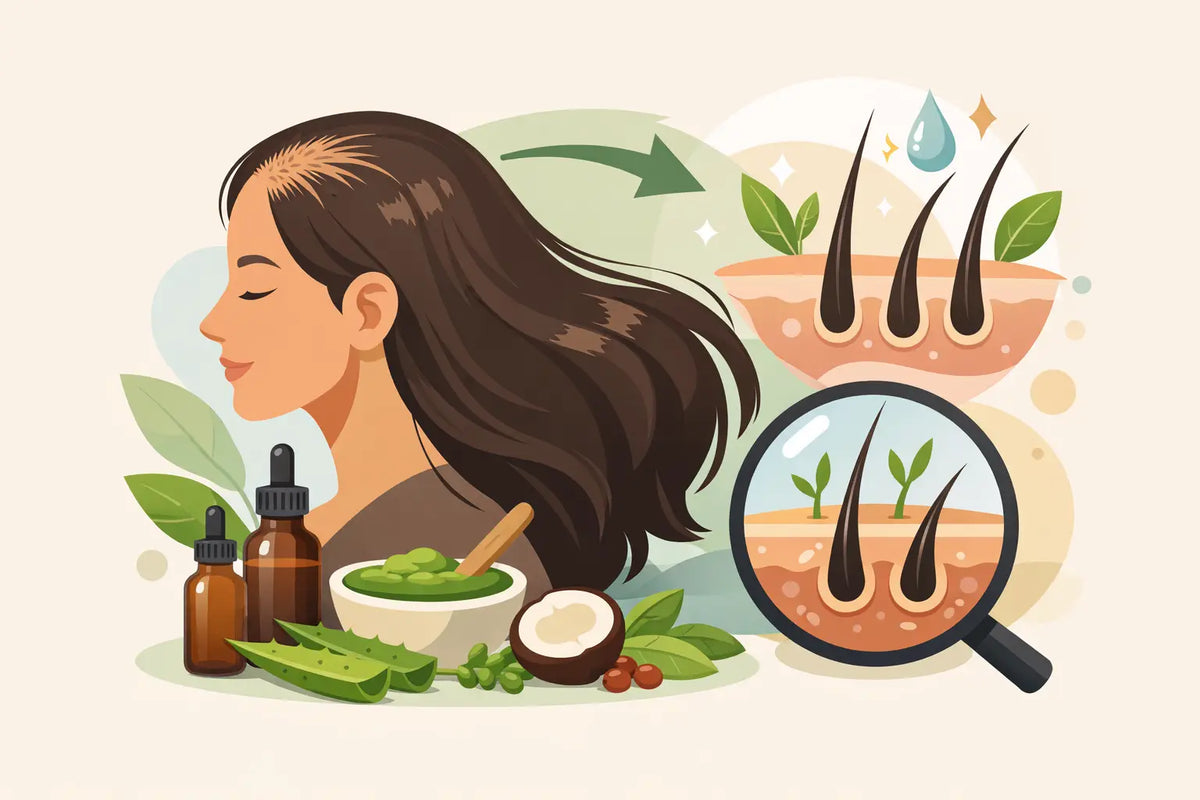
A widening part, more hair in the shower drain, or a ponytail that suddenly feels thinner can knock your confidence fast. So, what is a natural hair growth remedy? It is a non-clinical approach that uses supportive scalp care, plant-based ingredients, nutrition and consistent daily habits to help create better conditions for healthier-looking hair.
The key word is support. Natural remedies can help your hair and scalp look and feel their best, particularly when dryness, breakage, stress or routine damage are part of the picture. They are not a guaranteed cure for every type of hair loss, and anyone promising overnight regrowth is selling a fantasy. The real win is a simple routine you can stick with while giving your hair the care it has been missing.
What is a natural hair growth remedy?
A natural hair growth remedy is usually a product, ingredient or habit designed to support the scalp and reduce the factors that can make hair look sparse. It may include botanical oils, herbal extracts, scalp massage, gentler washing practices and a diet that supplies the nutrients hair needs to grow.
Hair grows from follicles in the scalp, not from the visible lengths of your hair. That means a good remedy focuses on scalp comfort and consistency while also protecting the hair you already have. Less breakage can make a genuine visual difference, even before new growth has time to show.
Natural does not automatically mean risk-free or effective for everyone. Essential oils can irritate sensitive skin when used incorrectly, and supplements can interact with medicines. The best natural approach is targeted, realistic and easy to maintain - not an overcrowded bathroom shelf full of miracle claims.
The ingredients people look for
Natural hair care products often feature ingredients chosen for how they condition the scalp or strengthen the feel of the hair. Results vary by person, but these are common options worth understanding.
Rosemary and peppermint
Rosemary is popular in scalp oils and treatments because it is associated with scalp-stimulating routines. Peppermint can give a fresh, tingling sensation that many people enjoy. Both need to be properly diluted when used as essential oils. Applying undiluted essential oil directly to your scalp is more likely to cause redness or itching than better hair.
Look for a ready-formulated treatment, or use only a small amount mixed into a suitable carrier oil. If your scalp feels hot, sore or irritated, stop using it. A calm scalp is the goal.
Coconut, jojoba and castor oils
Oils do not make a dormant follicle suddenly produce hair, but they can be useful for dry scalps and fragile strands. Coconut oil can reduce the rough, dry feel of damaged hair. Jojoba oil is lighter and often suits people who dislike a greasy finish. Castor oil is thicker, so it is usually best used sparingly or blended with a lighter oil.
The trade-off is build-up. Heavy oiling can leave fine hair flat and may make some scalps feel congested. Start with a small amount once or twice a week, shampoo thoroughly, and adjust based on how your hair responds.
Aloe vera and soothing botanical extracts
Aloe vera and gentle botanical extracts are commonly used to hydrate and soothe a scalp that feels dry or tight. They can be especially appealing when flaking or harsh cleansing has left the scalp uncomfortable. They are supportive care, not a replacement for medical treatment if you have persistent dandruff, pain, scaling or inflammation.
Protein and plant-based conditioning ingredients
Hair is made largely of keratin, so products containing proteins and conditioning plant oils may help hair feel stronger and look smoother. This matters because hair that snaps easily can create the appearance of thinning. Be careful not to overdo protein treatments, though. On some hair types, too much can make strands feel stiff. Balance strengthening care with moisture.
A routine that gives natural remedies a fair chance
Consistency beats intensity. A scalp treatment used sensibly for several months is more useful than switching products every week because a social post promised instant results. Hair follows its own cycle, and visible changes take time.
Start by washing your hair often enough to keep your scalp comfortable and free from excess product. For some people that is every day; for others, it is two or three times a week. There is no one schedule that works for everyone. Use lukewarm water rather than very hot water, and massage shampoo across the scalp with your fingertips instead of scratching with your nails.
A short scalp massage can be a valuable part of the ritual. Spend two to five minutes using gentle circular pressure, especially around areas where thinning is most noticeable. It should feel relaxing, never painful. If you use a natural scalp oil or serum, follow the product directions and patch test first.
Then protect your lengths. Limit tight styles that pull at the hairline, ease up on frequent bleach and high-heat styling, and avoid aggressive brushing when hair is wet. These changes will not alter every cause of shedding, but they can reduce preventable breakage and traction damage.
Food, stress and the bigger hair picture
A natural hair growth remedy is not only what you apply. Your hair can reflect what is happening elsewhere in your body. Inadequate protein, low iron, restrictive dieting, rapid weight loss and poor overall nutrition can all affect shedding or hair quality.
Aim for regular meals with protein, colourful fruit and vegetables, wholegrains, healthy fats and iron-rich foods. If you think you may be low in iron, vitamin D or another nutrient, speak with a GP before taking high-dose supplements. More is not always better, and supplements are most useful when they address a real need.
Stress can also trigger temporary shedding. You cannot always remove stress from life, but you can build small recovery habits around it: better sleep, a walk, exercise you enjoy, less frantic heat styling, and a routine that gives you a few calm minutes each day. Your scalp care can be part of that reset.
When natural care is not enough
Natural remedies are a practical first step for many people, especially when hair has become dry, brittle or stressed. But sudden shedding, bald patches, scalp pain, heavy flaking, or a rapidly receding hairline deserve professional advice. The same applies if hair loss begins after illness, childbirth, a new medication or a major change in weight.
A GP or dermatologist can help identify causes such as thyroid issues, nutritional deficiencies, hormonal changes, autoimmune conditions or pattern hair loss. Getting clarity does not mean you have to jump straight to an invasive path. It means you can make smarter choices about what belongs in your routine.
If you want a straightforward way to begin, choose natural hair care that suits your scalp, use it consistently and keep expectations grounded. RegrowX is built for people who want that kind of simple, confidence-first approach without turning hair care into a complicated project.
Your hair does not need perfection to look better. Give it gentler handling, a scalp routine you actually enjoy, and enough time to respond. Small, steady actions are often where stronger-looking hair starts.
Ready to start your regrowth routine?Shop the Complete System →