
Best Natural Hair Loss Treatment for Thinning Hair
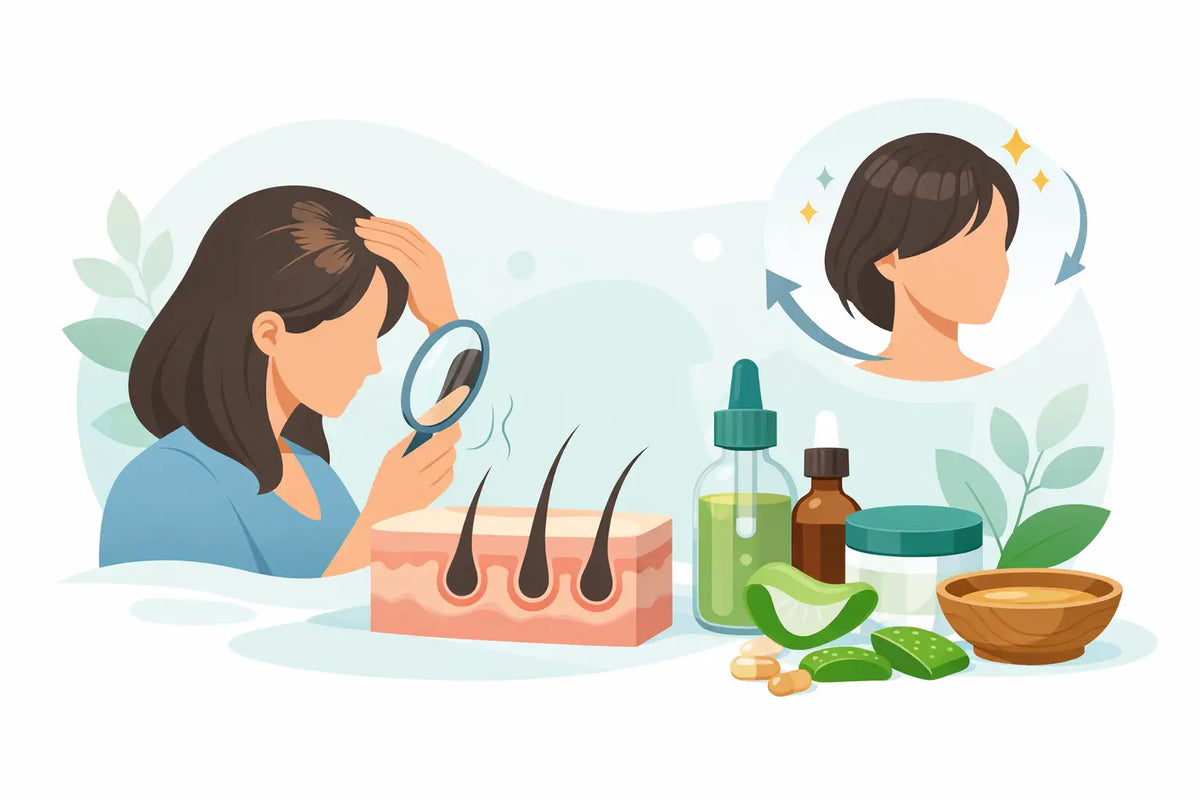
A widening part, more hair around the shower drain, or a ponytail that suddenly feels smaller can knock your confidence fast. The best natural hair loss treatment is not a miracle oil or a complicated 12-step ritual. It is a consistent routine that supports your scalp, protects the hair you have, and deals honestly with the reason your shedding began.
Natural hair care can be a smart, practical first move when thinning has crept in gradually. But results depend on the cause. Stress-related shedding, breakage from heat styling, low iron, hormonal changes and hereditary thinning can look similar at first, yet they need different attention. Start with what you can control, stay consistent, and get help when the signs point to something more serious.
What makes the best natural hair loss treatment?
The right approach does three things: it creates a healthier scalp environment, reduces avoidable breakage and supports the body systems involved in healthy hair growth. It should also be easy enough to keep doing. A routine that takes five minutes and happens every day is far more useful than an elaborate plan you abandon after a week.
Be wary of products that promise to regrow a full head of hair overnight. Hair grows slowly, usually around one centimetre a month, and visible improvement takes patience. A good natural routine may help hair look fuller, feel stronger and shed less over time, but it cannot guarantee regrowth when genetics or a medical condition are driving hair loss.
Start with your scalp
Your scalp is where every strand begins. If it is itchy, flaky, greasy, tight or irritated, piling on heavy products can make matters worse. Aim for clean, comfortable skin rather than aggressively stripping it with harsh shampoos.
Wash as often as your scalp needs. For some people that is every second day; for others, especially those with a very oily scalp or active lifestyle, it may be more frequent. Choose a gentle cleanser and use the pads of your fingertips, not your nails, to massage the scalp. This removes build-up without creating inflammation or snapping fragile strands.
A short scalp massage can also become a useful daily habit. Spend three to five minutes using light circular pressure across your hairline, crown and temples. It will not change your genes, but it can feel good, help distribute topical products and encourage you to pay attention to changes in your hair and scalp.
Choose botanicals with sensible expectations
Natural oils and plant-based extracts are popular for good reason: they can condition the hair shaft, reduce dryness and make hair easier to manage. That matters, because less tangling and breakage can make thinning hair look noticeably better.
Rosemary is a common choice in scalp care. If you use rosemary essential oil, always dilute it in a carrier oil or choose a ready-made scalp formula. Essential oils are concentrated and can irritate skin when used straight from the bottle. Patch test first, use a small amount, and stop if you feel burning, redness or increased itching.
Other nourishing ingredients may include jojoba, argan, pumpkin seed and peppermint in carefully formulated amounts. Think of these as supportive tools, not instant fixes. The best natural hair loss treatment is one your scalp tolerates well and your routine can sustain.
Build a routine that protects every strand
Thinning is not always hair loss from the root. Sometimes the hair is growing, but snapping faster than it can gain length. That is why everyday handling matters just as much as the product on your bathroom shelf.
After washing, blot hair gently with a soft towel or cotton T-shirt rather than rubbing it hard. Detangle from the ends upward with a wide-tooth comb, particularly when hair is wet and more vulnerable. If you use heat tools, keep the temperature moderate and use a heat protectant. Repeated high heat can leave fine hair looking sparse and rough.
Tight buns, slick ponytails, braids and extensions can put constant tension on the hairline. You do not have to give up your favourite style forever, but alternate it with loose, low-tension options. If your scalp aches after styling, the style is too tight.
It also helps to be selective about colour and chemical services. Bleach, frequent lightening and strong smoothing treatments can weaken already fragile hair. A gentler colour schedule and regular conditioning may make a real difference to how much hair stays on your head rather than in your brush.
Support hair growth from the inside
Hair is not a non-essential beauty extra to your body. During stress, illness, restrictive dieting or poor nutrition, the body may shift energy away from hair growth. No natural topical can fully make up for a diet that is missing the basics.
Prioritise enough protein across the day, along with iron-rich foods, zinc, vitamin D, omega-3 fats and a broad range of fruit and vegetables. Eggs, fish, legumes, lean meats, leafy greens, yoghurt, nuts and seeds can all have a place, depending on your dietary needs. If you follow a vegetarian, vegan or highly restricted diet, be particularly mindful of protein, iron and B12.
Supplements are not automatically the answer. Taking high doses without knowing what you need can be a waste of money, and some nutrients can cause problems in excess. If shedding is persistent, ask your GP about blood tests before starting a supplement routine. This is especially worthwhile if you feel unusually tired, have heavy periods, have recently had a baby, or have made a major dietary change.
Stress deserves attention too. A period of illness, emotional strain, rapid weight loss or poor sleep can trigger diffuse shedding several months later. It is frustrating, but this type of shedding often improves once the trigger passes. Regular meals, movement, sleep and a manageable wind-down routine support more than your hair - they support recovery.
When natural care needs backup
Natural care is a strong foundation, but do not ignore sudden or severe changes. Book in with a GP or dermatologist if you notice any of the following:
- rapid shedding that continues for more than a few months
- round or patchy bald areas
- scalp pain, scaling, sores or intense itch
- a rapidly receding hairline or widening part
- hair loss alongside fatigue, weight changes or menstrual changes.
Keep the routine simple enough to win
Consistency beats constant product hopping. Take a clear photo of your part and hairline in the same light once a month, rather than judging progress every morning. Look for less breakage, improved texture and gradual changes in density. Those are meaningful wins.
A practical routine might be gentle cleansing, regular conditioning, a well-tolerated scalp treatment and better protection from heat and tension. RegrowX makes it easier to bring natural hair wellness into that routine without turning hair care into another overwhelming job.
Your hair loss worries do not need to run the show. Start with one dependable step today, give it time, and let small daily care become the confidence-building habit that carries you forward.
Ready to start your regrowth routine?Shop the Complete System →