
Best Oils for Dry Scalp and How to Use Them
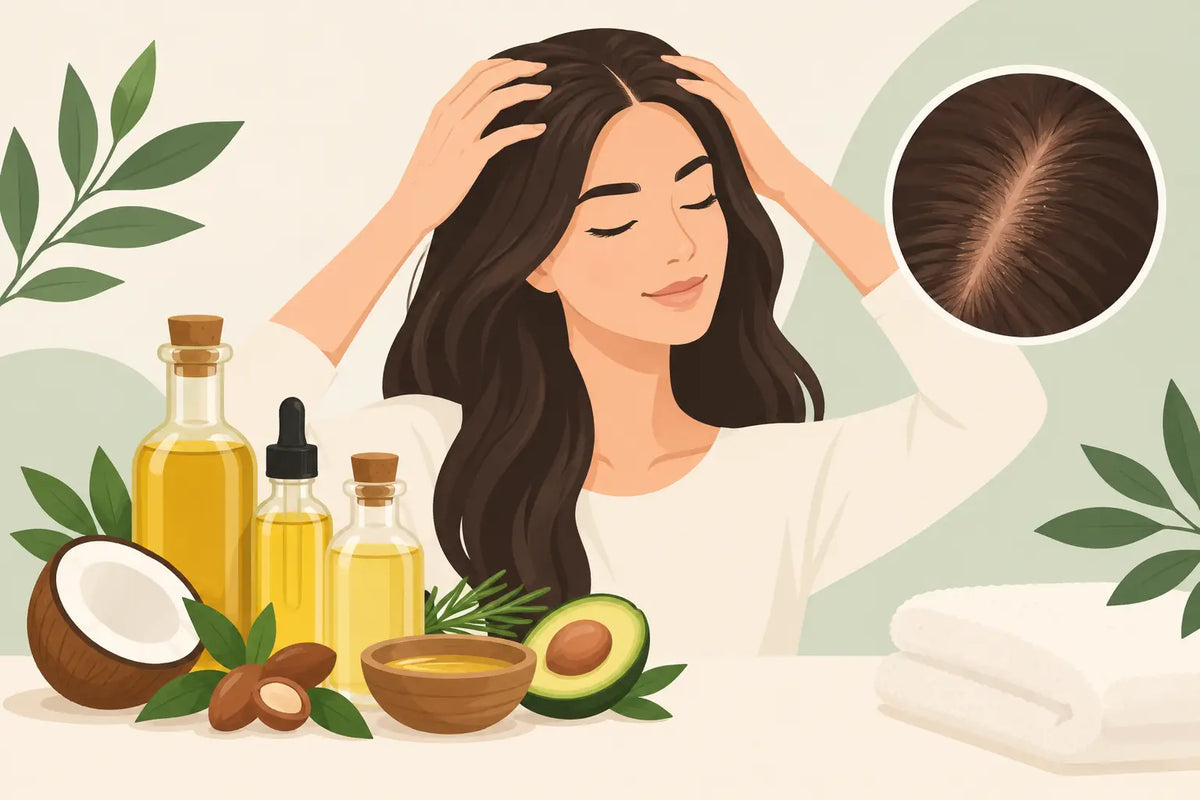
A dry scalp can make every wash day feel like a gamble. You want clean, fresh hair, but harsh cleansing or the wrong styling products can leave your scalp feeling tight and your hair looking dull. The best oils for dry scalp help bring comfort back to your routine by softening the feel of dryness and supporting a healthier-looking finish from roots to ends.
The key is not using the heaviest oil you can find. It is choosing an oil that suits your scalp, using only enough, and giving it time to do its job. A good scalp oil should feel like care, not leave your roots greasy by lunchtime.
Why a dry scalp needs a different approach
Dryness is not always about your hair itself. It can show up after frequent washing, hot showers, heavy styling, seasonal weather changes or simply using products that leave your scalp feeling stripped. If your scalp feels uncomfortable after shampooing or you notice small, dry-looking flakes, a little oil can make your routine feel far more balanced.
That said, more oil is not always better. Too much product can weigh down fine hair, make your roots look flat and create extra build-up that needs stronger washing later. The goal is a light, consistent routine that leaves your scalp comfortable and your hair looking fresh.
If your scalp feels persistently irritated, very sore or unusually flaky, pause the DIY experimenting and seek personalised advice from a qualified health professional. Hair and scalp concerns can have different causes, and a simple routine should never make you feel worse.
The best oils for dry scalp
Jojoba oil for a light, balanced feel
Jojoba oil is often a smart first pick, especially if your hair is fine, oily at the roots or easily weighed down. It has a light texture and spreads easily, so you do not need much to cover the scalp. It is a practical option for people who want softness without the heavy, coated feeling some oils can leave behind.
Use jojoba oil when your scalp feels dry but your roots still tend to look oily after a day or two. Start with a few drops, massage gently along your part line and see how your hair responds before adding more.
Argan oil for dry hair and rough ends
Argan oil is best known for making lengths and ends look smoother, but it can also work well in a dry-scalp routine when used sparingly. It is slightly richer than jojoba oil, making it a good choice if your hair feels coarse, looks lacklustre or has been through plenty of heat styling.
For scalp use, keep it minimal. A few drops massaged into dry areas before washing can be enough. If your scalp is comfortable but your hair is dry, concentrate argan oil through the mid-lengths and ends instead. That is often where it delivers the best cosmetic result.
Coconut oil for thicker, thirsty hair
Coconut oil is a classic for a reason: it feels deeply conditioning and can leave thicker, textured or very dry hair looking softer. It is especially useful as a pre-wash treatment when your hair feels brittle from the roots through to the ends.
There is a trade-off. Coconut oil can feel too rich for fine hair and may set firm in cooler weather, so warm a small amount between your palms first. If you are prone to build-up or flat roots, use it no more than once a week and shampoo thoroughly afterwards.
Sweet almond oil for soft, simple care
Sweet almond oil sits nicely in the middle. It is nourishing enough for a dry-feeling scalp but generally lighter than coconut oil, making it an easy option for a short scalp massage before a shower. It also works well blended with a lighter oil if you want to customise the texture.
Choose sweet almond oil when you want a straightforward treatment without a complicated routine. As with any botanical ingredient, patch test first, particularly if you have known sensitivities to nuts or fragranced products.
Squalane for a weightless finish
Plant-derived squalane is a great option for people who dislike the traditional feel of hair oil. It is light, silky and less likely to make hair look overly shiny or slick. A tiny amount can help a dry scalp feel more comfortable while keeping your style looking clean.
Squalane is particularly handy if you wash often, have fine hair or want an oil you can use in small amounts between wash days. It is not the most intensely rich option, but that is exactly why many people find it easy to stick with.
How to choose the right scalp oil for your hair
Start with your hair texture and the amount of dryness you are dealing with. Fine or oily-rooted hair usually does better with jojoba oil or squalane. Dry, thick or textured hair may enjoy the richer feel of coconut, argan or sweet almond oil.
Then consider how you want to use it. For an overnight or pre-wash treatment, a richer oil can make sense. For a quick massage before styling or a small refresh between wash days, choose something lightweight. A product can be excellent and still be wrong for your timing or hair type.
Keep fragrance in mind too. Strongly scented oils and essential-oil blends can feel lovely, but they are not automatically better for a dry scalp. If your scalp is sensitive, a simple, fragrance-free oil or blend is usually the safer place to start.
How to use oil without leaving your hair greasy
The easiest method is a pre-wash scalp treatment. Part dry hair into a few sections and apply a small amount of oil directly to the scalp, focusing on the spots that feel dry. Use your fingertips, not your nails, to massage with slow circular movements for two or three minutes.
Leave the oil on for 20 to 60 minutes, then shampoo as usual. This gives the oil time to soften the feel of dryness without forcing you to wear oily roots all day. If your hair is very dry, you can leave a richer oil on longer, but use an old towel over your pillowcase and be prepared to shampoo twice if needed.
For a lighter approach, add one or two drops to your fingertips and press them along a dry part line after washing. Keep the amount tiny. You can always add more, but it is much harder to rescue a style after using too much.
Aim for one or two treatments a week to begin with. Watch how your scalp and hair look after several washes, not just immediately after the first application. The right routine should make your hair feel easier to manage, not send you into a cycle of oil, build-up and harsh cleansing.
What scalp oil can and cannot do
A well-chosen oil can improve the comfort and appearance of a dry-feeling scalp, help hair look softer and make a scalp massage feel like a proper reset. It can also be a worthwhile part of a natural hair-care routine when thinning or shedding has left you paying closer attention to your scalp and hair quality.
But oil is not a shortcut for every hair concern. It will not suit every scalp, and piling it on will not create better results. Consistency, gentle cleansing and choosing products that work with your hair type matter more than chasing the richest ingredient.
Start small, stay consistent and let your scalp tell you what it likes. The best oil is the one that leaves your hair feeling comfortable, looking cared for and giving you one less thing to worry about when you catch your reflection.
Ready to start your regrowth routine?Shop the Complete System →