
Hair Shedding and What You Can Do Right Now
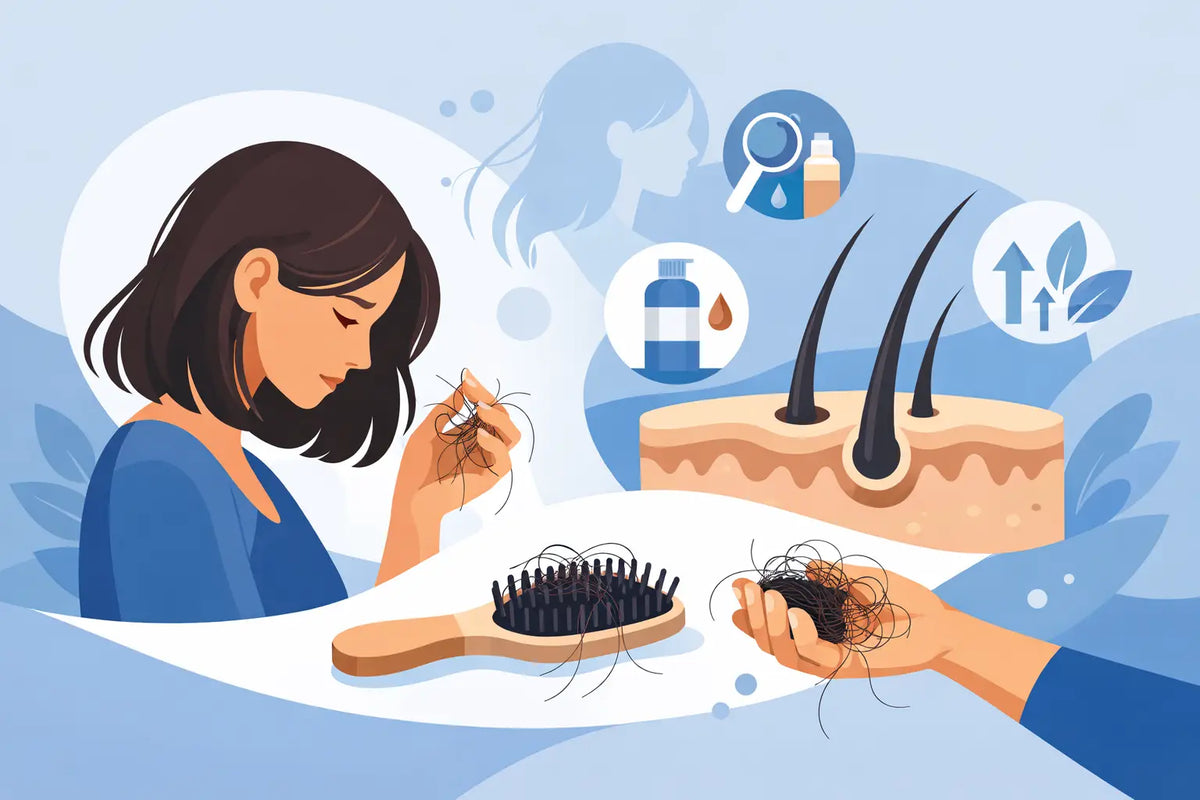
The shower drain is not the place anyone wants a surprise. When you notice more strands on your brush, pillowcase or bathroom floor, hair shedding can quickly become the first thing you look for every morning. Before panic takes over, remember this: hair naturally moves through growth, resting and release phases. Seeing some loose strands is part of that process. What matters is whether the change feels noticeably different for you and keeps going.
A calmer, consistent approach beats throwing every product and trend at your hair at once. Start by paying attention, simplify your routine, and give your hair the everyday care it deserves.
Why Hair Shedding Can Seem to Increase
Hair does not behave exactly the same way every month. A busier season, disrupted sleep, a major change in routine, harsh styling habits or even the way you have been wearing your hair can all make shedding feel more obvious. Sometimes the change is temporary. Sometimes it is your cue to take a closer look at how your scalp, lengths and lifestyle are being treated.
It also helps to separate shedding from breakage. Shed hairs usually come away from the root and may have a tiny pale bulb at one end. Breakage happens along the hair shaft, often leaving shorter pieces, frizz and uneven-looking ends. The two can happen at the same time, but they call for slightly different attention. A gentle scalp-focused routine may suit shedding concerns, while breakage often asks for less heat, less pulling and more conditioning care.
Your styling habits may be doing more than you think
A sleek bun, tight ponytail or firm braid can look great, but wearing tension-heavy styles day after day gives your hair and scalp little room to relax. The same goes for aggressive brushing, very hot tools and rough towel-drying. None of this means you need to give up styling altogether. It means changing the pressure.
Choose a softer tie, move your part occasionally, and keep tight styles for shorter stretches rather than making them your default. After washing, press excess water out with a soft towel or T-shirt instead of rubbing your hair back and forth. These small swaps are easy to keep up and can make your routine feel far less punishing.
Stress can show up in your routine
When life is full-on, hair care is often reduced to the fastest possible version: rushed washing, skipped meals, poor sleep, more dry shampoo, another heat-styled morning. That does not mean you have caused every strand to fall out. It simply means your hair is part of your wider self-care picture.
Think about the previous few months, not just the previous few days. Have you had a demanding work period, travel, a changed eating pattern, poor sleep or a big personal event? Noticing patterns gives you something more useful than guesswork. It can also stop you from changing five things at once and never knowing what helped.
A Practical Hair Shedding Routine That Feels Doable
The best routine is one you can stick to when your morning is busy and your energy is low. It does not need a bathroom cabinet full of products. It needs a few thoughtful habits, repeated consistently.
Wash your scalp, not just your hair
Shampoo is for your scalp, where oil, sweat and styling residue collect. Use your fingertips, not your nails, and massage gently in small circles. Let the lather run through the lengths rather than scrubbing them into a knot.
How often you wash depends on your hair type, activity level and product use. Some people feel best washing more regularly, while others prefer spacing washes out. The goal is not to follow a rule from social media. It is to keep your scalp feeling clean and comfortable without leaving your lengths stripped or tangled.
Follow with conditioner through the mid-lengths and ends. This gives your brush more slip after washing and reduces the urge to tug at tangles. If your hair is easily weighed down, use a lighter amount and keep it away from the roots.
Detangle with patience
Wet hair is more vulnerable to rough handling. Start at the ends, work through small sections, then gradually move upwards. A wide-tooth comb or flexible detangling brush can help, especially if you have textured, long or colour-treated hair.
If a knot will not move, do not turn it into a battle. Add a little conditioner or leave-in product, hold the hair above the knot to reduce pulling at the scalp, and work slowly. The few extra minutes are worth it.
Be smarter with heat and colour
You do not have to bin your blow-dryer or swear off colour forever. The trade-off is frequency and intensity. High heat every day, combined with bleaching or frequent chemical processing, can leave hair looking less full because the lengths become more fragile.
Give heat-styled looks a break between wears where you can. Use a lower setting, avoid repeatedly passing tools over the same section, and let hair air-dry partway before blow-drying. If you colour your hair, speak clearly with your stylist about your concern and choose a plan that respects the condition of your hair, not just the colour result you want that day.
Feed your routine, not the hype
Hair wellness is rarely about one miracle ingredient. Aim for regular, varied meals and enough water across the day. If your eating habits have changed significantly or you are unsure whether your diet is meeting your needs, personalised guidance from a qualified health professional can be worthwhile.
Be cautious with big promises around hair products and supplements. A natural routine can be a comforting, practical part of self-care, but it should not be sold as an overnight fix. Look for products that suit your routine, feel good to use and encourage you to give your scalp and hair consistent attention.
Stop Checking Every Strand
Constantly counting hairs in the shower or inspecting your part under harsh bathroom lighting can make a real concern feel even heavier. Instead, take a clear photo of your hairline or part once a month in the same light, with your hair styled the same way. This gives you a more balanced view of change over time.
Keep a short note on your mobile if it helps: when shedding first felt different, whether you changed products, how often you are using heat, and any broader routine changes. You are not trying to become your own expert. You are creating a clearer picture, so your next decision is based on more than a stressful moment at the mirror.
When It Is Worth Getting Personalised Advice
Natural hair care is a great place to start when you want a simpler, gentler routine. But you do not need to sit with a concern alone. If hair shedding feels sudden, unusually heavy, patchy, painful, or comes with scalp discomfort, make an appointment with a qualified health professional. The same applies if you have made gentle routine changes and remain worried about what you are seeing.
Getting advice is not an overreaction. It is a practical way to understand your options and feel less stuck. Bring your notes and photos if you have them. Clear details can make the conversation easier.
Give Your Hair a Better Everyday Routine
The temptation is to search for a dramatic answer when you see more hair in the drain. Usually, the better first move is less dramatic: loosen the style, turn down the heat, detangle carefully, care for your scalp and stay consistent long enough to see how your hair responds.
RegrowX is built for people who want natural hair-care choices without making their routine complicated. Choose the steps you can maintain, be kind to your hair while you do them, and let confidence return one good hair day at a time.
Ready to start your regrowth routine?Shop the Complete System →