
Why Hair Thinning Happens and What to Do Next
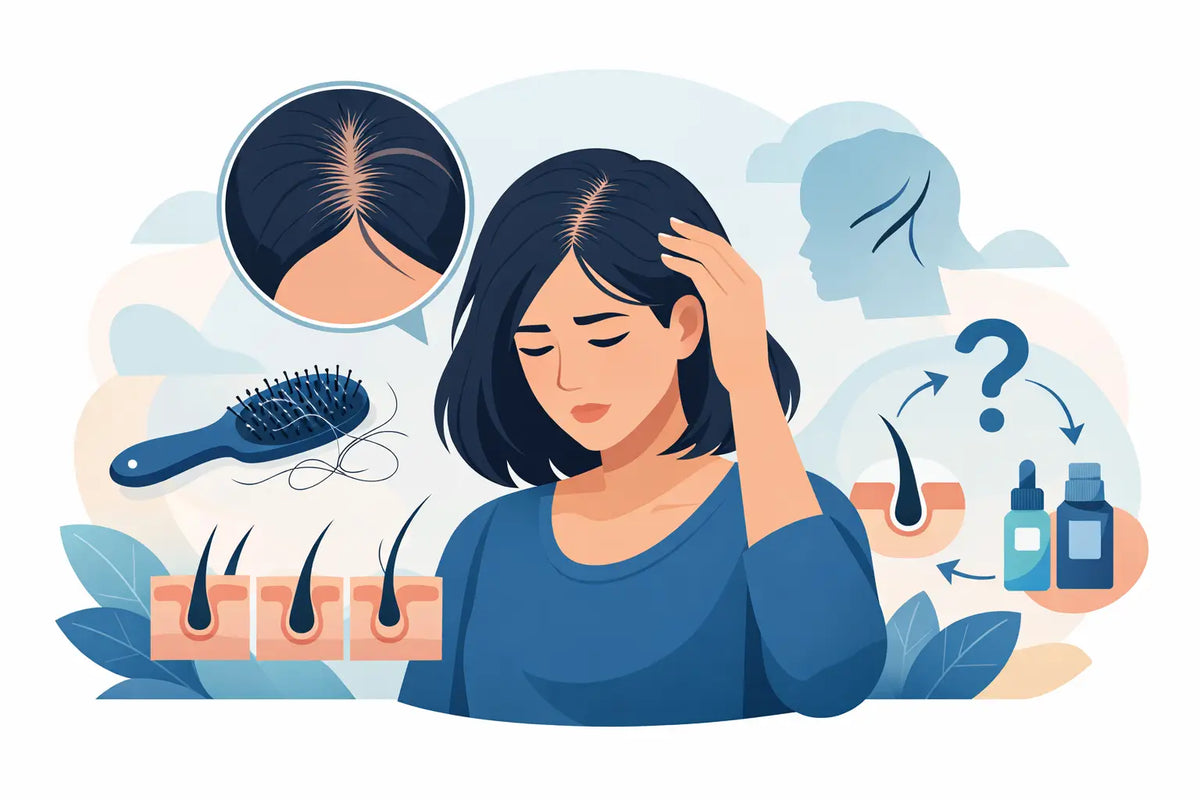
You notice it first where you part your hair, under the bathroom light, or in a photo you would rather not post. Your hair may still be there, but it no longer feels as full as it used to. If you are asking why hair thinning is happening, you are not overreacting. It is a common concern, and understanding the likely cause is the first move towards a routine that feels useful, not overwhelming.
Hair thinning is not always the same as sudden hair loss. Sometimes more strands are shedding than usual. Other times, each strand is growing back finer, shorter or less densely. The right response depends on which pattern you are seeing, how long it has been going on, and what else has changed in your life.
Why Hair Thinning Can Happen
For many adults, genetics are part of the picture. If close family members have thinning hair or a receding hairline, your follicles may be more sensitive to normal hormone activity over time. This can gradually shorten the growth phase of the hair cycle, so hair appears finer around the crown, temples or part line. It can happen to men and women, though the pattern often looks different.
Hormonal changes can also make a visible difference. Pregnancy, the months after giving birth, menopause, changes to hormonal contraception and thyroid conditions may all affect the hair cycle. In some cases, shedding starts a few months after the trigger rather than straight away, which can make the connection hard to spot.
Stress is another big one. A demanding period at work, poor sleep, illness, surgery, rapid weight loss or a major life event can push more follicles into their resting phase. The result is often increased shedding several weeks or months later. This type of shedding may settle as your body recovers, but it can feel alarming while it is happening.
Your everyday habits matter too. Tight ponytails, braids, extensions, frequent bleaching, high heat and harsh brushing can put repeated strain on the hair shaft and roots. That does not mean you need to give up every styling choice you enjoy. It means your hair needs recovery time, gentler handling and a routine that does not ask it to withstand damage every day.
Diet can play a role when the body is running low on key nutrients. Not getting enough protein, iron, zinc, vitamin D or other nutrients can affect normal hair growth. Restrictive diets are a common culprit, especially when meals are skipped or whole food groups are cut out without a plan. Supplements are not a shortcut for every case, though. Taking high doses without knowing what you need is not always helpful and can sometimes create new problems.
Thinning Hair or Normal Shedding?
Finding hair in your brush is not automatically a sign that something is wrong. Hair naturally sheds as part of its growth cycle. The concern is more about a noticeable change from your normal: a widening part, more scalp showing through, a ponytail that feels smaller, or hair that breaks before it can grow longer.
Look at the full pattern rather than judging one wash day. Have you been seeing more hair on your pillow and in the shower for several weeks? Is the thinning focused around the temples or crown? Are the strands themselves becoming finer? Taking a clear photo of the same area once a month, in similar lighting, can give you a calmer and more reliable view than checking the mirror ten times a day.
Signs worth acting on sooner
Some hair changes deserve prompt advice from a GP or dermatologist. Book an appointment if thinning is sudden or patchy, your scalp is sore, itchy or scaly, or you have fatigue, unexpected weight changes or changes to your periods alongside hair loss. These signs do not automatically mean something serious, but they can point to an underlying issue that needs proper assessment.
It is also wise to get support if hair loss follows a new medication or if shedding continues for months without easing. A health professional can review your history, examine your scalp and, where appropriate, arrange tests for common contributors such as iron levels or thyroid function.
What You Can Do for Thinning Hair at Home
You cannot change your genetics overnight, and no honest haircare routine should pretend otherwise. What you can do is remove unnecessary stress from your scalp and strands, support your overall wellbeing, and stay consistent long enough to judge whether your routine is working.
Start with the basics. Eat regular, balanced meals with enough protein, including options such as eggs, fish, legumes, yoghurt, lean meat, tofu and nuts if they suit your diet. Prioritise sleep where you can and build in realistic ways to manage stress, whether that is walking, training, switching off your mobile earlier or talking through what is on your mind. These are not glamorous fixes, but hair growth depends on the rest of you being well supported.
Be kinder to your hair when it is wet, when it is most prone to breakage. Use a wide-tooth comb, avoid aggressive towel-drying, and keep heat tools on a lower setting. If you wear your hair up often, vary the position and avoid styles that pull hard at the hairline. A little less tension each day can make a meaningful difference over time.
A targeted scalp and hair routine can also be a practical part of the plan. Look for natural hair wellness products designed to nourish the scalp and support the appearance of fuller, healthier-looking hair. The goal is not a miracle after two uses. The goal is a simple routine you will actually stick with, without turning your bathroom shelf into a chemistry lab. RegrowX is built around that approach: natural, accessible hair wellness care that fits into everyday self-care.
Massage is another easy habit worth trying. A few minutes of gentle fingertip massage while applying your chosen scalp product can feel calming and may help you become more aware of dry patches, irritation or changes in your scalp. Keep pressure light. Scratching or rubbing aggressively can worsen irritation and break fragile strands.
Why Hair Thinning Needs Patience, Not Panic
Hair grows slowly, so results rarely show up on the same timeline as a new skincare product or a fresh haircut. It is reasonable to give a consistent routine several months before deciding how it is going, unless you are experiencing sudden or concerning symptoms. Switching products every week makes it much harder to know what agrees with your hair and scalp.
Manage expectations around seasonal shedding too. Some people notice more shedding at certain times of year, and a temporary increase does not always lead to lasting thinning. The bigger question is whether density appears to recover, or whether the change keeps progressing.
It also helps to separate hair breakage from hair shedding. Breakage often leaves shorter, uneven pieces and can be linked to heat, colour treatments or rough handling. Shedding typically involves full-length hairs coming out from the root. You may be dealing with both at once, which is why a gentle styling routine and scalp-focused care can work well together.
Make Your Next Step Simple
Hair thinning can touch confidence in ways other people do not always understand. You do not need to wait until it feels severe before giving your hair more care. Start by noticing your pattern, reducing the habits that cause avoidable damage and choosing a routine you can follow consistently.
If the changes are rapid, patchy or paired with other symptoms, get professional advice first. Otherwise, give your scalp the attention it has been asking for. Small, steady actions are far more useful than panic purchases, and your hair deserves a routine that feels hopeful, straightforward and easy to keep going with.
Ready to start your regrowth routine?Shop the Complete System →