
Best Scalp Massage Tools for Thinning Hair
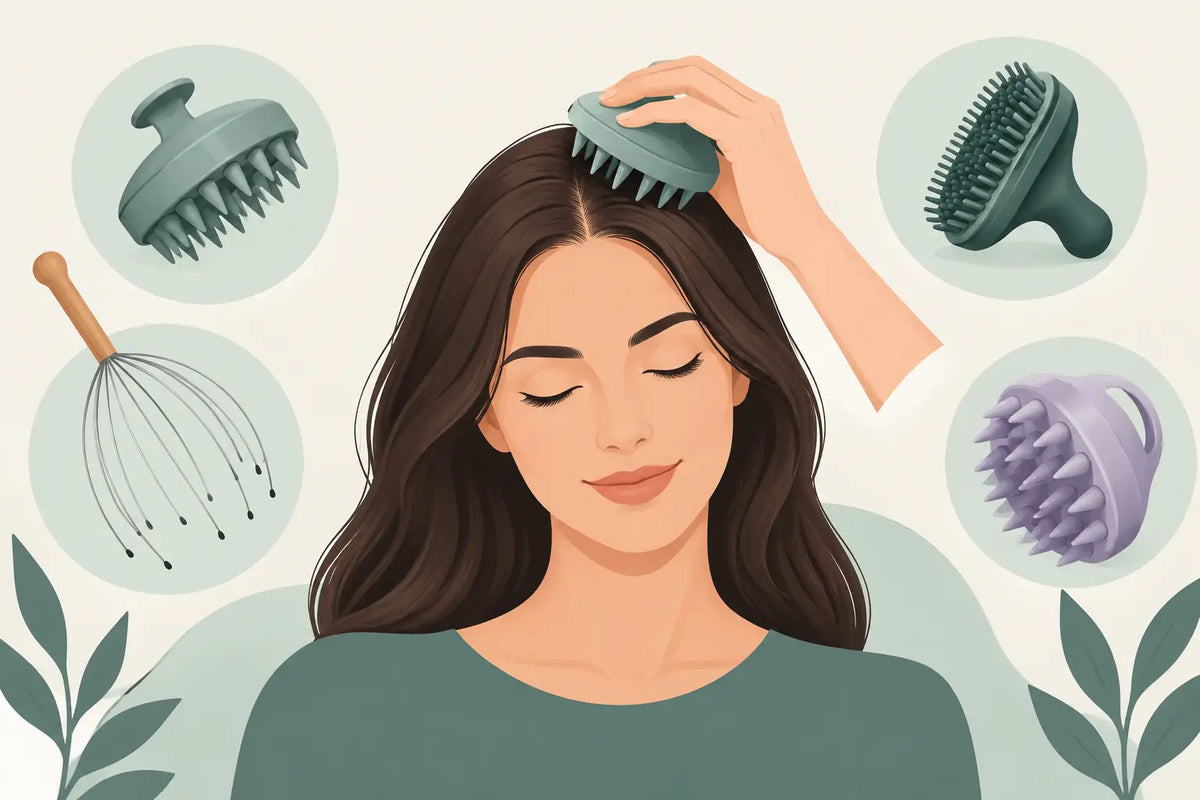
A scalp massage should feel like a reset, not another stressful step in your hair routine. The best scalp massage tools make it easier to give your scalp a few calm, consistent minutes of attention without tugging at fragile strands or turning wash day into hard work. For anyone noticing thinning, shedding or a less-full-looking hairline, that gentle approach matters.
A good tool will not transform your hair overnight, and it is not a substitute for understanding what suits your individual needs. What it can do is make scalp care feel simple, comfortable and worth sticking with. The right choice comes down to your hair texture, scalp sensitivity and whether you want a tool for the shower, dry hair or both.
What makes a scalp massage tool worth using?
Forget hard plastic spikes and anything that scratches. A worthwhile scalp tool should glide over the skin with light, even pressure. It needs to feel pleasant enough that you will actually reach for it several times a week.
Look first at the tips. Soft silicone nubs are usually the easiest place to start because they flex rather than drag. Widely spaced teeth work well for thicker hair, while a tool with a comfortable grip gives you better control around the temples, crown and back of the head. Those areas often get ignored when you are rushing through a shower.
The best option is not always the one with the most features. If your scalp feels tender, flaky or easily irritated, a simple soft silicone tool is often a smarter pick than a vibrating device with lots of settings. More pressure is not more care. Gentle, regular contact wins every time.
Best scalp massage tools by routine
Silicone scalp scrubbers
Silicone scalp scrubbers are the all-round favourite for good reason. They are lightweight, easy to clean and designed to work through shampoo or conditioner without snagging. The soft, rounded bristles help you spread product through the roots while giving your scalp a gentle massage.
They suit most hair types, including finer hair that can feel easily pulled. Use the pads of the tool in small circles, keeping the movement against your scalp rather than winding hair around the bristles. If your hair is very thick or curly, choose longer, flexible silicone points so the tool can reach the scalp more easily.
This is the best choice if you want one affordable, low-fuss tool for shower days. It is also ideal for people new to scalp massage because it naturally discourages the urge to scratch with fingernails.
Manual wire head massagers
The classic wire head massager has thin, flexible prongs that sit over your head like a whisk. Slowly moving it up and down can feel deeply relaxing, especially at the end of a long day. It is quick, dry and requires no product at all.
There is a trade-off. Wire massagers are great for a light sensory massage but do not offer the same precision as a silicone scrubber. They can also catch in long, curly or easily tangled hair if used too quickly. Keep your movements slow, and choose a model with smooth protective tips rather than exposed metal ends.
It is a solid option for short hair, straight hair or anyone who wants a few quiet minutes away from screens. If you are mainly looking to cleanse the scalp more thoroughly in the shower, choose silicone instead.
Wide-tooth massage combs
A wide-tooth comb with rounded, ball-free teeth can be a useful two-in-one tool. It helps distribute a lightweight scalp serum or oil while allowing you to gently work through sections without aggressive pulling. This is particularly handy when you prefer a more controlled massage around a receding hairline or sparse-looking areas.
The important detail is the tooth finish. Avoid sharp seams, rough plastic and tiny balls glued to the ends, as these can snag. Use the comb on damp hair with plenty of slip or on dry hair only when it is already detangled. Start at the ends, then work upwards before bringing the comb close to the roots.
A massage comb will not give the same soft, cushioned feel as silicone. It is best for those who want to combine light detangling, product application and scalp care in one step.
Handheld electric massagers
Electric scalp massagers use rotating silicone heads, vibration or both. They can feel luxurious and take the effort out of maintaining a steady massage. If you struggle to switch off, the gentle rhythm can make your evening hair ritual feel more like proper self-care.
But the setting matters. Start on the lowest speed and do not press the device firmly into your scalp. A stronger setting can be enjoyable for some people, while others may find the movement too intense or their hair gets caught around rotating parts. Check that any device you choose has soft removable heads and is suitable for wet use if you plan to take it into the shower.
Electric models cost more and need charging, cleaning and storage. They are worth considering if the added convenience means you will use one consistently, not because they promise a bigger result than a well-used manual tool.
How to choose without wasting your money
Start by deciding when you will use it. A shower-only routine calls for waterproof silicone. A five-minute wind-down before bed may suit a wire massager or a gentle electric design. If you use scalp oils or leave-in treatments, look for a tool that is simple to wash after every use.
Your hair length also changes the equation. Short hair is generally compatible with most tools. Long, textured or curly hair needs flexible bristles, wide spacing and slow technique. Fine hair benefits from the lightest touch possible. If a tool feels like it is pulling, stop. There is no prize for powering through discomfort.
Skip products that claim dramatic changes, rely on very hard points or make you feel like you need to scrub your scalp spotless. Your scalp is skin, not a dirty pan. The goal is a comfortable ritual that supports a clean, cared-for feel.
How to use a scalp massager gently
For a dry massage, begin by parting your hair loosely with your fingers. Place the tool flat against the scalp and move it in small circles for two to five minutes. Work from the front hairline towards the crown, then down the sides and back. Keep the tool moving, using barely any pressure.
In the shower, apply shampoo first and add a little water. Use your scalp scrubber in the same small circular pattern, focusing on the scalp rather than piling hair on top of your head. Rinse thoroughly and clean the tool afterwards. This helps prevent product residue from building up on the bristles.
If you are applying a lightweight scalp treatment, use clean hands or a clean wide-tooth comb to spread it through sections. Be cautious with heavy oils if your scalp does not enjoy them. A massage tool is there to improve the experience, not to force more product into your routine than you need.
Common mistakes that can make hair care feel worse
The biggest mistake is treating massage like a workout. Fast scrubbing, hard pressure and long sessions can leave the scalp feeling unhappy and may create more tangles than relaxation. Aim for a calm, controlled movement instead.
Another common issue is using a dirty tool. Rinse it after each use, wash it with mild soap regularly and allow it to air-dry completely. Do not share scalp tools, especially when they are used with wet hair or products.
Finally, do not judge a tool by one use. Give yourself a couple of weeks to see whether it fits naturally into your routine. The best scalp massage tool is the one that feels good, stays gentle and earns a regular spot beside your shampoo. A few quiet minutes of care can be a genuinely confidence-building way to show up for your hair.
Ready to start your regrowth routine?Shop the Complete System →