
Receding Hairline Care Guide for Stronger Hair
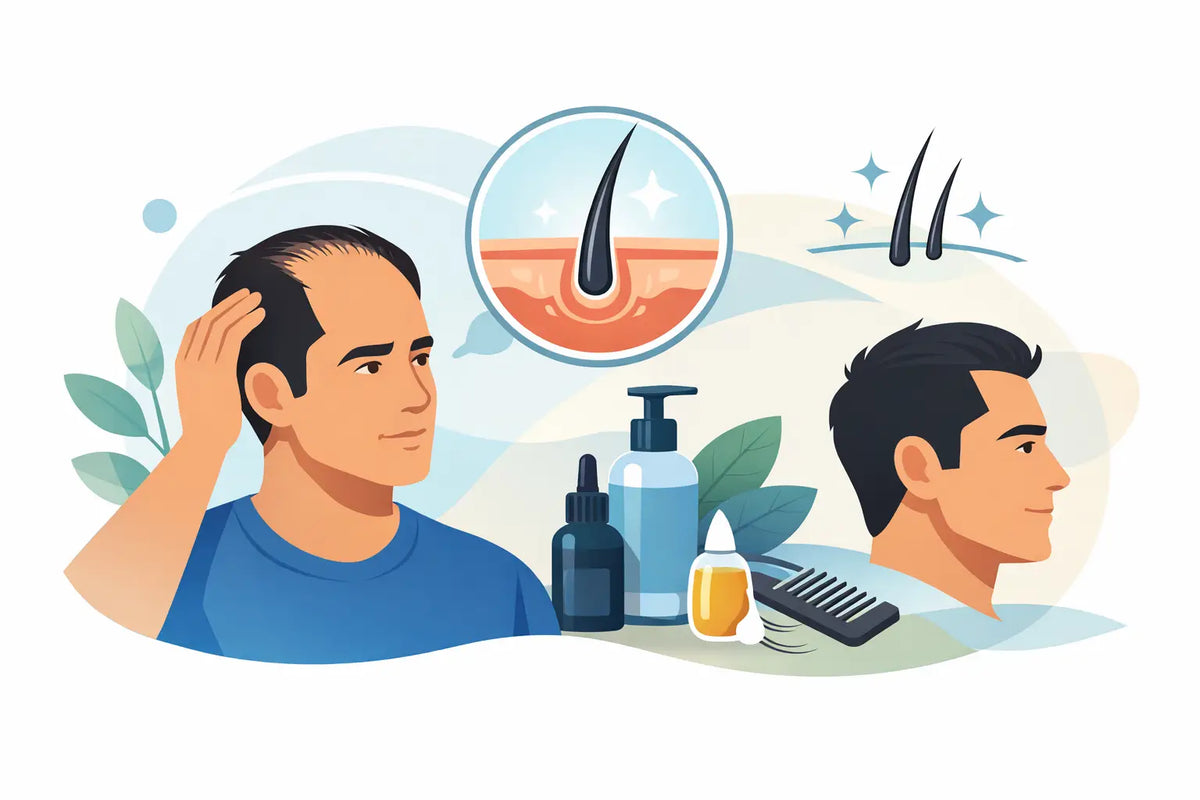
A receding hairline can make every mirror check feel like a bad surprise. This receding hairline care guide puts you back in control with a straightforward routine that supports healthier-looking hair, treats your scalp with care and helps you make choices you can actually stick with.
A receding hairline is common, but that does not make it easy to brush off. The key is to act with consistency rather than panic. You do not need a cupboard full of complicated products or a dramatic new grooming routine. You need a few smart habits, quality hair-care support and realistic expectations.
Start by understanding what your hairline is telling you
Hairlines naturally vary. Some people have always had higher temples, while others notice gradual thinning around the front, sides or crown over time. Genetics can play a major role, but stress, tight hairstyles, harsh styling, poor scalp care, nutritional gaps and frequent heat exposure may also affect how your hair looks and feels.
The front of the scalp is highly visible, so even subtle changes can feel bigger than they are. Take a clear photo in natural light every four to six weeks, using the same angle and hairstyle. This gives you a more honest view of change than checking your reflection several times a day.
If shedding is sudden, severe or accompanied by scalp pain, redness or scaling, speak with a qualified health professional. A care routine can support your goals, but unexpected changes deserve proper attention.
Build a receding hairline care routine you will use
The best routine is not the most complicated one. It is the one you can repeat morning and night without turning hair care into a chore. Start with gentle cleansing, scalp support and less damage from everyday styling.
Cleanse your scalp, not just your hair
Product build-up, oil and sweat can leave the scalp feeling congested, especially if you use dry shampoo, styling paste or heavy conditioners. Wash regularly enough for your hair type and lifestyle. For some people, that is every second day; for others, two or three washes a week is plenty.
Use lukewarm water rather than very hot water. Massage shampoo into your scalp with the pads of your fingertips for around a minute, then rinse thoroughly. Scratching with your nails can irritate the skin and make your scalp feel worse, not cleaner.
Choose formulas that leave your scalp comfortable rather than stripped. A squeaky-clean feeling is not always a good sign. Hair that feels rough after washing is more likely to snag and break when you style it.
Give your scalp a few minutes of attention
A gentle scalp massage is a simple addition to your routine. Spend two to five minutes using small circular movements across the hairline, temples and top of the scalp. It feels good, encourages you to check in with your scalp and can turn your routine into a moment of proper self-care.
Natural scalp oils and targeted hair products can also be a useful part of your routine when they suit your skin and hair type. Apply only as directed, start slowly and patch test first if you have sensitive skin. More product is not automatically better. Consistent, sensible use matters far more than overloading your scalp.
RegrowX makes natural hair wellness easy to add to the routine you already have, so caring for thinning hair feels less overwhelming and more doable.
Be gentler at the hairline
Your hairline deals with plenty: brushing, blow-drying, hats, helmets, sun, sweat and styling products. Small adjustments can reduce unnecessary pulling and breakage. Avoid tightly slicked-back styles, firm ponytails, tight braids and anything that creates constant tension at the temples.
When drying your hair, pat it with a towel instead of rubbing hard. Detangle gradually, beginning at the ends and working upwards. If you use heat tools, keep the temperature moderate and use a heat protectant. A close, high-heat blow-dry directly on the front hairline every day is not doing it any favours.
Support hair from the inside out
Hair is part of your body, not separate from it. No single food or supplement can guarantee regrowth, but steady nutrition helps create better conditions for normal hair health.
Aim for regular meals containing protein, colourful fruit and veg, healthy fats and iron-rich foods. Eggs, fish, lean meat, legumes, leafy greens, yoghurt, nuts and seeds can all earn a place in a hair-conscious diet. If you follow a restrictive eating pattern, have recently lost weight quickly or are worried about a deficiency, seek personalised advice before adding supplements.
Hydration matters too, though there is no need to force litres of water beyond what your body needs. Keep a water bottle nearby, especially during hot Australian summers or after training, and make it an easy habit.
Stress deserves a practical mention. It is unrealistic to tell someone to simply relax, particularly when work, family and life are already full-on. Instead, find a repeatable pressure release: a walk after dinner, a gym session, ten minutes without your mobile, better sleep timing or a chat with someone you trust. Your whole body benefits when stress is managed, and your hair-care routine is easier to keep when you feel more like yourself.
Make styling work for you now
Looking after a receding hairline does not mean hiding under a cap forever. A sharper cut can make hair look fuller immediately while you focus on long-term care. Short textured styles, a soft fringe, a controlled crop or a slightly longer top with balanced sides can all work well, depending on your hair density and face shape.
Avoid forcing a style that exposes sparse areas if it makes you self-conscious. The right barber or hairdresser can help you choose a cut that looks deliberate, not like you are trying to cover something up. Bring up your concerns clearly. They have heard it before.
Use lightweight styling products where possible. Heavy gels can separate strands and reveal more scalp, while a matte, volumising product may create a fuller appearance. The trade-off is that some texturising products can feel drying, so wash them out properly and do not pile them on day after day.
Give your routine enough time to matter
Hair changes slowly. A new routine needs weeks of consistent use before you can fairly judge whether it suits you. Take those regular photos, note how your scalp feels and pay attention to shedding, breakage and how your hair behaves when styled.
Avoid constantly swapping products because of a viral trend or a dramatic before-and-after photo. Those photos often leave out lighting, styling, hair fibres, extensions or months of routine behind the result. Choose a simple approach, follow it properly and adjust only when you have a clear reason.
Confidence does not have to wait for perfect hair. Start with the care you can do today, wear a style that makes you feel switched on and let every consistent step prove that your hairline is worth looking after.
Ready to start your regrowth routine?Shop the Complete System →