
How to Make Natural Hair Loss Remedy at Home
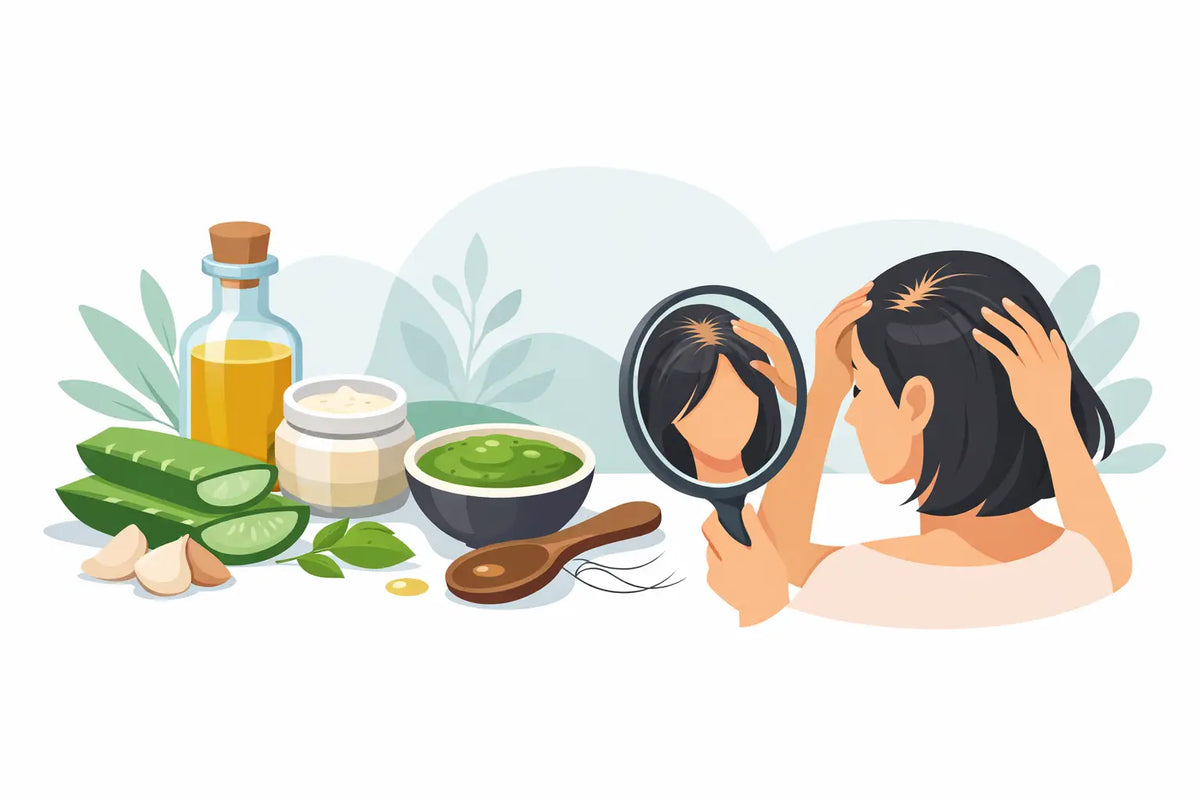
Hair thinning can make every shower, brush and glance in the mirror feel bigger than it should. Learning how to make natural hair loss remedy blends at home gives you one simple way to care for your scalp, protect fragile strands and take back some control of your routine. The goal is not a miracle mixture overnight. It is consistent, scalp-friendly care that helps your hair look and feel its best.
Natural remedies work best when they are treated as part of a wider hair wellness plan. They can condition dry lengths, support a comfortable scalp and reduce the breakage that can make thinning look more obvious. But they cannot always reverse genetic hair loss, hormonal changes or medical causes of shedding. That distinction matters, because the right expectations make it far easier to build a routine you will actually stick with.
Start with your scalp, not just your strands
Healthy-looking hair starts where it grows. If your scalp is dry, irritated, greasy or coated in product build-up, even the best oils can feel like they are doing nothing. Before adding a remedy, keep your basics simple: cleanse regularly with a gentle shampoo, rinse thoroughly and avoid scratching with your nails.
Overwashing can leave some scalps tight and flaky, while washing too rarely can allow sweat, oil and styling residue to build up. There is no single schedule for everyone. Fine or oily hair may need washing more often, while coily, curly or very dry hair may prefer fewer wash days with more moisture between them. Pay attention to how your scalp feels rather than following a rigid rule.
A natural hair loss remedy should also never sting, burn or leave your scalp red. Natural does not automatically mean gentle. Essential oils are concentrated, and kitchen ingredients can still trigger irritation or allergies.
How to make natural hair loss remedy oil at home
A lightweight scalp oil is one of the easiest remedies to make because it takes minutes, stores well and fits into most routines. It is especially useful when your concern is dryness, breakage or hair that feels brittle from heat styling, colouring or tight hairstyles.
For a simple blend, combine two tablespoons of jojoba oil with one tablespoon of cold-pressed castor oil in a clean, dark glass bottle. Jojoba oil is light and closely resembles the natural oils on the scalp, while castor oil adds a richer feel that many people enjoy for dry hair. Add three drops of rosemary essential oil only if your scalp tolerates fragrance and essential oils well.
Close the bottle and roll it gently between your hands to combine. Do not shake aggressively, and do not add more essential oil in the hope of faster results. More is not better here. An over-strong blend can irritate the scalp, which is the last thing thinning hair needs.
To use it, part dry hair into sections and apply a few drops directly along the scalp. Massage with the pads of your fingers for three to five minutes using small circles. Keep the pressure light. Tugging, scraping or aggressive rubbing can worsen breakage and leave your scalp sore.
Leave the oil on for 30 minutes before shampooing, or overnight if it feels comfortable and does not transfer onto your bedding. Use it one or two times a week to start. If your hair is naturally fine or becomes flat quickly, use less oil and focus only on dry areas rather than coating the full length.
Why this blend can help
Scalp massage increases awareness of your hair and encourages a calmer, more deliberate routine. The oils themselves mainly help by softening dry strands and reducing friction, which may mean less snapping during brushing and styling. That matters because breakage can look very similar to shedding, particularly around the hairline and crown.
Rosemary essential oil is popular in hair care, but it is not a guaranteed regrowth solution. Think of it as an optional addition to a gentle scalp ritual, not a replacement for professional advice when you are losing hair rapidly or in patches.
Make a soothing aloe and oat scalp mask
If your scalp feels itchy, flaky or stressed after styling, a rinse-out mask can be a better fit than a heavy oil. This version is made for immediate comfort and hydration rather than leaving residue behind.
Mix two tablespoons of plain aloe vera gel with one tablespoon of very finely ground oats and one teaspoon of honey. Use pure aloe gel where possible, without added alcohol or strong fragrance. The mixture should be smooth enough to spread easily. If it is too thick, add a teaspoon of water.
Apply it to a clean, damp scalp in sections, then leave it for 10 to 15 minutes. Rinse with lukewarm water and follow with your usual shampoo only if your hair feels coated. Do not leave food-based masks on overnight. They can become messy, difficult to remove and irritating for sensitive skin.
Aloe can give dry skin a cooling feel, while finely ground oats create a soft, gentle texture. Honey helps the mask feel more conditioning, though it should be skipped if it makes your scalp sticky or difficult to rinse. Keep the routine easy. If it takes too long to use, it will probably stay at the back of the bathroom cupboard.
Protect the hair you already have
No homemade remedy can outwork daily habits that place constant strain on your hair. If you are seeing thinning around your edges, loosen ponytails, braids, buns and extensions. A style that gives you a headache is often too tight for regular wear.
Be careful with heat as well. Blow-drying, straightening and curling can all be part of your look, but repeated high heat weakens the hair shaft. Apply heat protection, use the lowest effective setting and give your hair regular low-manipulation days.
Your brushing technique matters more than most people realise. Start at the ends, gently work through knots, then move higher. Use a wide-tooth comb for wet curls or a brush designed for detangling. Wet hair stretches more easily, so rushing through knots can create the very breakage you are trying to prevent.
Food also belongs in the conversation. Hair is built from protein, and your body needs enough overall energy, iron, zinc and other nutrients to support normal hair growth. Extreme dieting, rapid weight loss and skipping meals can all show up in your hair months later. A balanced diet will not fix every type of hair loss, but it gives your hair a far better foundation than a cupboard full of oils alone.
Patch test first, then stay consistent
Before using any new blend, apply a small amount to the inner arm or behind the ear and wait 24 hours. If you notice itching, redness, swelling or a rash, do not use it on your scalp. This is particularly important with rosemary, peppermint and other essential oils.
Make small batches and store them in a cool, dark place. Oil blends usually last longer than water-based mixtures, but aloe and oat masks should be made fresh each time. Throw out anything that changes smell, colour or texture.
Give a gentle routine at least eight to 12 weeks before judging whether it suits you. Hair changes slowly, and a better scalp routine may first show up as less breakage, softer lengths or easier styling rather than dramatic new growth. Take a photo of your part line or hairline in the same light every few weeks if you want a clearer view of change.
When a home remedy is not enough
Sudden shedding, round bald patches, scalp pain, scaling, or a widening part that progresses quickly deserve professional attention. So does hair loss after illness, pregnancy, major stress, a new medication or a significant dietary change. A GP or dermatologist can help identify causes such as iron deficiency, thyroid concerns, inflammatory scalp conditions or pattern hair loss.
That does not mean you have failed at natural care. It means you are giving yourself the best chance of choosing the right next step. Homemade remedies are useful for a calmer, more protective hair routine, while targeted hair wellness products can make consistency easier. RegrowX is built around that simple idea: practical natural care without making your routine feel complicated.
Your hair deserves patience, not panic. Start with one gentle blend, protect your strands from daily stress and give your scalp the steady care it has been asking for.
Ready to start your regrowth routine?Shop the Complete System →