
Scalp Health: The Everyday Habits That Matter
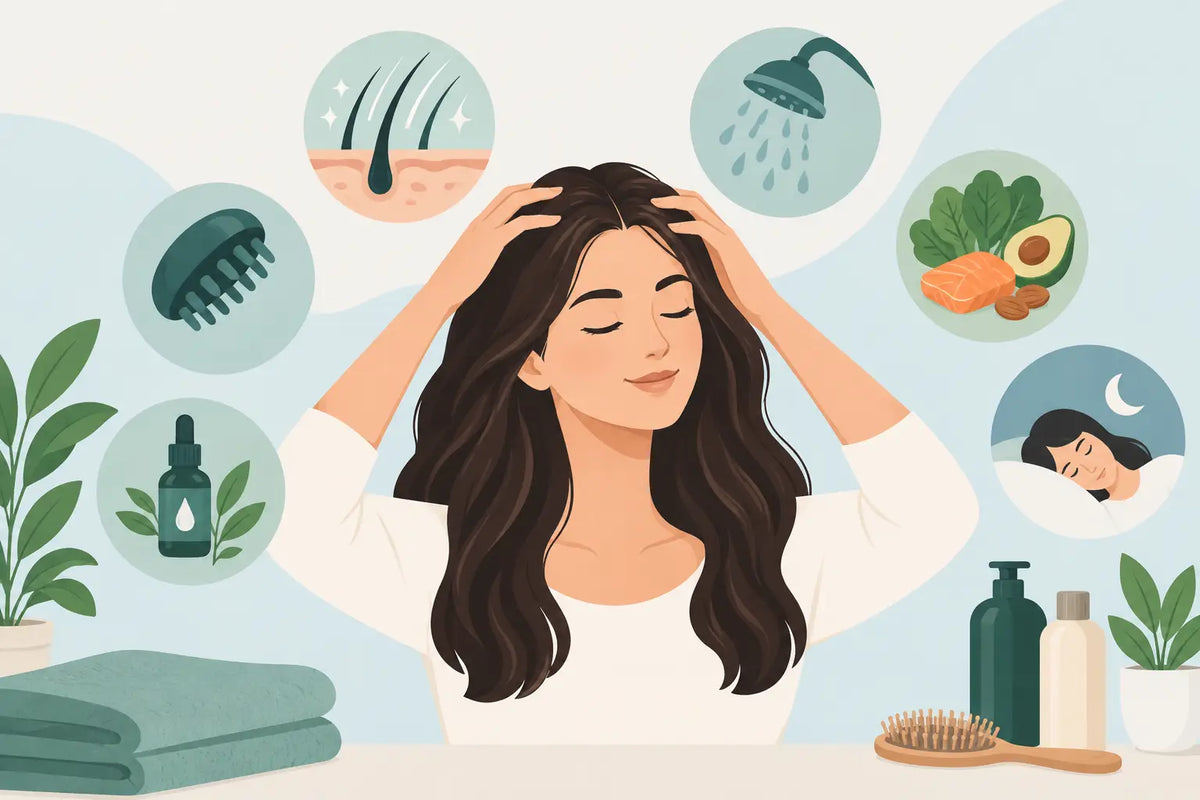
Hair can look flat, feel greasy at the roots or seem harder to manage long before you change a single styling product. That is where scalp health deserves attention. Your scalp is the foundation for every strand you see in the mirror, and a few consistent habits can make your whole hair routine feel more effective, comfortable and in control.
For anyone noticing thinning, shedding or a receding hairline, it is tempting to focus only on the hair itself. But piling on heavy products or constantly changing routines can leave the scalp feeling congested and your confidence even more rattled. A simpler approach usually wins: cleanse thoughtfully, treat your scalp gently and give your routine enough time to become a real habit.
Why scalp health changes the look of your hair
Your scalp deals with a lot each day. Natural oils, sweat, dry shampoo, styling products, dust and sunscreen around the hairline can all build up. Add hot showers, tight ponytails, a busy schedule and the occasional rushed wash, and it is easy for the roots to feel less than fresh.
When your scalp feels clean and balanced, hair often feels lighter at the roots and easier to style. It may hold volume better, look less weighed down and feel more comfortable between washes. That does not mean there is one perfect routine for everyone. Fine hair may need more frequent cleansing than thick, curly or coily hair, while coloured or dry lengths may benefit from a gentler approach.
The goal is not to strip your scalp until it feels squeaky clean. That can leave hair and skin feeling dry, which often encourages people to overcorrect with too many oils or rich products. Aim for clean, comfortable and calm instead.
Start with a wash routine you can stick to
A good wash is about more than applying shampoo and rinsing straight away. Start by thoroughly wetting your hair with lukewarm water. Very hot water can feel great after a long day, but it can leave your scalp and lengths feeling dry. Then apply shampoo directly to the scalp rather than loading it onto the ends.
Use the pads of your fingertips to massage in small circles for around a minute. Keep your nails out of it. Scratching can make a sensitive scalp feel worse and can tangle or snap delicate strands. Let the lather run through the lengths as you rinse - your ends rarely need the same level of cleansing as your roots.
How often you wash depends on your hair, your routine and how much product you use. If your scalp becomes oily quickly, you train most days or use styling products regularly, washing more often may suit you. If your hair is dry, textured or colour-treated, you may prefer fewer washes with a gentle cleanser. The right schedule is the one that leaves your scalp comfortable, not greasy, tight or overloaded.
Conditioner belongs mainly through the mid-lengths and ends. Applying rich conditioner right at the roots can make some hair look flat sooner, especially when it is already fine or thinning. Rinse carefully as leftover product can make hair feel coated.
Make technique do the heavy lifting
You do not need an overcrowded bathroom shelf to care for your scalp. Technique has a bigger impact than most people realise. Give shampoo enough contact time, rinse thoroughly and avoid rubbing wet hair roughly with a towel. Instead, press out excess water with a soft towel or cotton T-shirt, then detangle gently from the ends upwards.
If you use dry shampoo, treat it as a quick reset, not a replacement for washing indefinitely. It can be brilliant before an early meeting or a last-minute dinner, but repeated layers may leave the roots feeling dull and heavy. Build a proper wash back into the routine when your scalp needs it.
Choose products with your scalp in mind
Natural hair care can be a great fit when you want a routine that feels uncomplicated and considered. Still, natural does not automatically mean every formula will suit every person. Botanical oils and rich butters can feel nourishing on dry lengths, yet may be too heavy at the roots for some hair types. A lighter product may suit fine hair far better.
Keep your routine focused. A cleanser, conditioner and one targeted scalp or hair treatment is often plenty. Adding new products one at a time gives you a clearer sense of what your hair actually likes. If a product leaves your scalp feeling uncomfortable, overly coated or difficult to rinse, it is reasonable to stop using it and simplify.
Be careful with DIY mixes, particularly anything highly fragranced or intensely cooling. A tingling sensation is not proof that a product is doing more. Comfortable, consistent care is a much better standard than chasing dramatic sensations.
Small daily choices protect your scalp
Scalp care is not only a wash-day job. The way you wear, dry and style your hair between washes matters too. Start with less tension. A slick, tight style can look sharp for an event, but wearing one every day puts ongoing pull on the same areas. Rotate your part, switch up your styles and keep ponytails, buns and braids comfortably secure rather than painfully tight.
Heat deserves the same common-sense approach. Use the lowest setting that gets the result you want, keep tools moving and give your hair regular lower-heat days. Blow-drying does not have to be off limits, but blasting the same section repeatedly is rarely kind to hair or scalp.
When you are out in the Australian sun, do not forget your part line and hairline. A hat is an easy win, particularly at the beach, on the footy sidelines or during a long weekend outdoors. Choose one that is not so tight it leaves your scalp aching.
A few habits are especially worth keeping on repeat:
- Clean brushes and combs regularly so yesterday's oil and product do not go straight back onto freshly washed roots.
- Wash pillowcases often, especially if you use leave-in products or sleep with damp hair.
- Avoid picking at flakes or buildup, even when it is tempting.
- Give your hair a break from tight styles, heavy extensions and constant heat.
When hair concerns are affecting confidence
Hair changes can feel intensely personal. You might notice more hair in the shower, a wider-looking part, less volume at the crown or a hairline you find yourself checking in every mirror. It makes sense to want an answer fast. But panicking into a dozen new products can make your routine stressful and impossible to judge.
Choose a straightforward plan and follow it consistently. Take a photo of your hair in similar lighting every few weeks if you want a more objective view than the bathroom mirror provides. Be gentle with wet hair, avoid constant inspection and focus on the parts you can control: regular cleansing, lower-tension styling and products that suit your scalp and your lifestyle.
If you have persistent discomfort, marked changes or concerns that are not settling, speaking with a qualified health professional can help you understand your options. That is not giving up on natural care. It is simply taking yourself seriously and making decisions with clearer information.
Build a routine that feels good to keep
The best scalp health routine is not the most complicated one. It is the one that fits around work, family, training and the reality of a busy week. Set aside a little extra time on wash day, massage your scalp without rushing and choose products you look forward to using. RegrowX believes hair care should feel like a practical step forward, not another source of stress.
Give your scalp the same steady attention you give the rest of your self-care. A cleaner routine, a gentler touch and a little patience can turn hair care from an anxious daily check into a moment that puts you back in charge.
Ready to start your regrowth routine?Shop the Complete System →