
Best Natural Hair Fall Remedy That Works
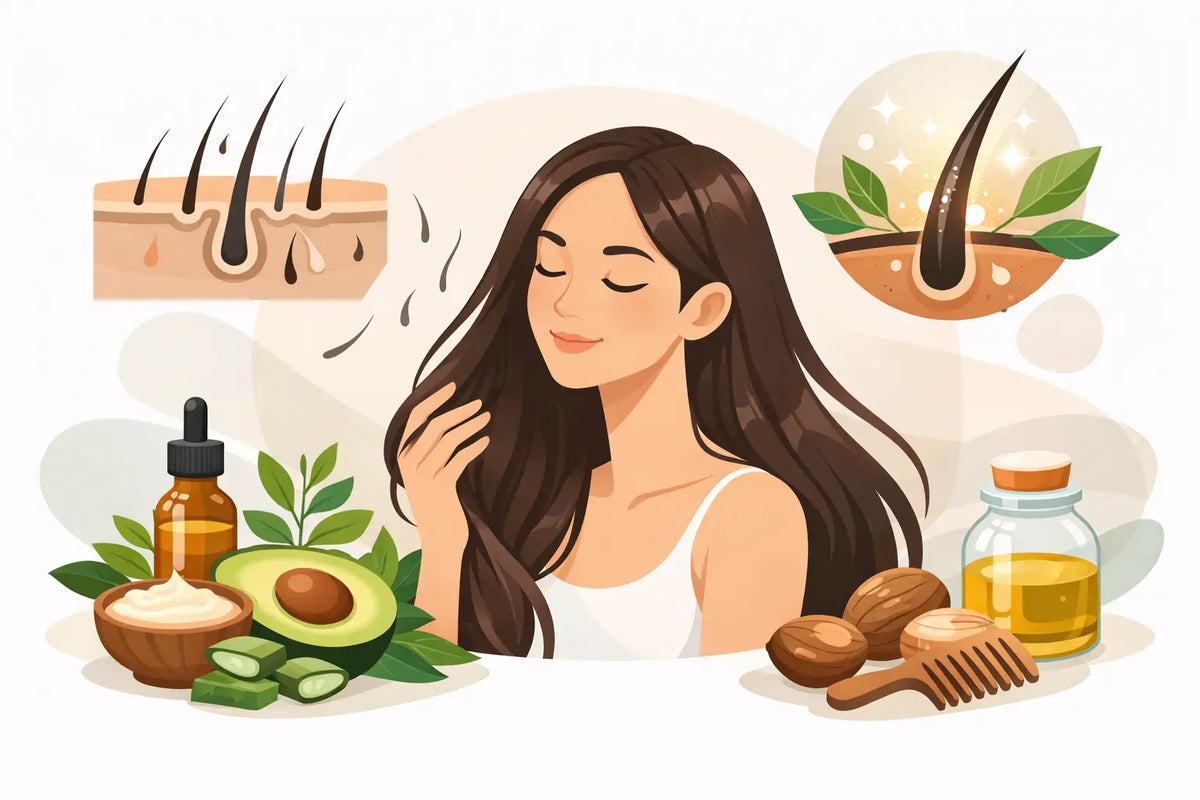
A few extra strands around the shower drain can be unsettling. A widening part, more hair on your brush, or a ponytail that suddenly feels thinner can hit your confidence fast. The best natural hair fall remedy is not a miracle oil or a one-night fix. It is a consistent routine that supports your scalp, protects fragile strands and addresses the everyday triggers that may be making shedding worse.
Hair fall has plenty of causes, from stress and heat styling to dietary changes, hormones and genetics. That means the right approach depends on what your hair is telling you. Start simple, stay consistent and give your routine enough time to show you what is working.
Start with your scalp
Healthy-looking hair starts at the scalp. Product build-up, excess oil, flakes and irritation can leave your roots feeling heavy and make hair look flatter or less full. A clean, comfortable scalp gives your hair the best possible foundation.
Wash often enough for your own scalp type. If your roots become oily quickly, stretching washes for too long may not help. If your hair is dry, use a gentle shampoo and focus it on the scalp rather than scrubbing the lengths. Rinse thoroughly, because leftover product can make fine hair look limp.
Once or twice a week, take a few minutes to massage your scalp with the pads of your fingers. Use light, circular pressure rather than scratching with your nails. Scalp massage will not change genetic hair loss on its own, but it can feel relaxing, help distribute natural oils and turn your hair routine into a moment of care rather than another source of stress.
Natural oils can be useful for dry lengths, but they need realistic expectations. Lightweight oils such as rosemary-infused or jojoba-based blends may help hair feel softer and more manageable when used sparingly. Apply a small amount, patch test first, and wash it out if your scalp feels greasy, itchy or congested. More oil is not more effective.
Protect the hair you already have
When shedding is worrying you, preventing breakage matters just as much as caring for new growth. Hair that snaps through the mid-lengths can make thinning look more dramatic, even if the root cause is not increased shedding.
Be gentler when your hair is wet, because wet strands stretch and break more easily. Pat it dry with a soft towel or cotton T-shirt instead of rough rubbing. Detangle from the ends upwards with a wide-tooth comb, working slowly through knots.
Heat tools, bleach, frequent chemical treatments and tight styles can all take a toll. You do not have to give up your favourite blow-dry or colour appointment forever, but reduce the frequency where you can. Use a lower heat setting, apply heat protection, and choose looser braids, buns and ponytails that do not pull at the hairline.
This is where a good natural hair-care routine earns its place. The goal is not to pile on ten products. It is to use a few supportive products consistently: a gentle cleanser, a conditioner that improves slip and a targeted scalp or hair treatment that suits your needs. RegrowX makes it easier to keep that routine focused on natural, accessible hair wellness rather than complicated clinical steps.
Feed your hair from the inside out
Hair is not separate from the rest of you. A restrictive diet, rapid weight loss, low iron intake or simply skipping proper meals during a busy patch can show up in your hair weeks or months later. No supplement can replace a varied diet, but regular nourishment gives your body the building blocks it needs.
Aim to include protein at meals, such as eggs, yoghurt, fish, chicken, tofu, lentils or beans. Hair is largely made of protein, so consistently falling short can affect its appearance and strength. Add iron-rich foods such as lean red meat, legumes, leafy greens and fortified cereals, alongside vitamin C-rich fruit or vegetables to support iron absorption.
Zinc, vitamin D, omega-3 fats and B vitamins also play a role in general hair health. If you suspect a deficiency, feel unusually tired, or follow a restrictive diet, speak with a GP or accredited practising dietitian before starting high-dose supplements. Taking more than you need is not a shortcut and can sometimes create new problems.
Reduce the triggers you can control
Stress does not always cause hair fall, but a major illness, emotional strain, poor sleep or a demanding period at work can sometimes push more hairs into a shedding phase. The shedding may not appear until a few months after the trigger, which makes it confusing and frustrating.
You cannot control every cause, but you can make your routine less punishing. Prioritise sleep where possible, eat regularly, move your body in ways you enjoy and build small pauses into your week. Even a daily walk, an earlier bedtime or five quiet minutes of scalp massage can make self-care feel achievable.
Be wary of drastic changes marketed as instant fixes. Extreme cleanses, harsh DIY scalp treatments and aggressive brushing can leave your hair and scalp worse off. The best natural approach should feel sustainable, not exhausting.
Choose remedies based on your type of hair fall
The phrase “hair fall” covers several different concerns. Diffuse shedding all over the scalp after stress, illness or dietary change needs a different response from gradual thinning around the part line or a receding hairline. Breakage from colouring and heat needs a different response again.
If your hair is shedding more than usual but your scalp looks healthy, focus on gentle handling, nutrition and a steady scalp routine for several months. If breakage is the problem, cut back on heat and chemical stress while improving conditioning and detangling. If you have ongoing thinning, a strong family history of hair loss or visible changes at the hairline, natural products can support your routine, but it is worth getting personalised advice rather than guessing.
Photos can help you judge progress more fairly. Take one picture of your part or hairline in the same lighting once every four weeks. Daily mirror checks are unreliable and can make normal variation feel like a crisis. Hair grows slowly, so meaningful changes usually need patience.
When to speak with a professional
Natural care has a valuable place, but sudden or severe hair loss deserves attention. See a GP or dermatologist if you notice bald patches, scalp pain, redness, scaling, a rapidly widening part, hair loss after starting a new medicine, or shedding that continues for several months. They can help rule out issues such as thyroid changes, iron deficiency, autoimmune conditions or scalp disorders.
Getting support does not mean abandoning your natural routine. It means you are giving yourself clear answers and choosing your next steps with confidence.
Make consistency your remedy
The most effective routine is the one you will genuinely keep using. Choose gentle products, treat your scalp with care, protect your lengths and nourish yourself properly. Then give those habits time.
Your hair does not need panic purchases or punishing rituals. It needs steady care, a little patience and a routine that makes you feel more in control each time you look in the mirror.
Ready to start your regrowth routine?Shop the Complete System →